When I think about today’s digital environment, one issue stands out again and again: supply chain cyber attacks. As someone who works closely with organizations on digital forensics and incident response, I see firsthand how these attacks are both dangerous and persistent. I am often asked, “Why are supply chain cyber attacks so difficult to stop?” The answer is complex, and it involves technology, processes, and human nature. In this article, I want to walk you through what makes these attacks so slippery, and how people like me and projects such as my cybersecurity lectures aim to build practical awareness.
The hidden threat within trusted connections
Supply chains today are intricate networks of vendors, service providers, and partners. Each connection creates a new digital road.
- Software suppliers
- Cloud service vendors
- Maintenance contractors
- Hardware manufacturers
- Logistics partners
Each of these groups needs some access to your systems or data, even if only a little. Most companies believe their partners are safe because they’ve been vetted—or at least because they have good reviews. But the reality? Many breaches start with a single supplier’s weak spot.
Trust is what attackers exploit the most.
In my work with companies, I see that trust is often based on contracts or reputation. Yet, it is almost never based on ongoing technical proof. This is one reason why I talk about real-life scenarios during my cybersecurity lectures. When organizations assume ‘it can’t happen here,’ that is usually when it does.
Entry points everywhere: Why closing every door is impossible
Supply chains are rarely static. Vendors come and go, employees change roles, and systems get upgraded. The more connections there are, the harder it becomes to lock everything down.
Even one unlocked window can be all it takes for an attacker to slip in.Here’s why companies struggle to block every entry point:
- They cannot control security practices for external partners.
- Software updates from suppliers may carry malicious code, even if they look legitimate.
- Not all third parties are transparent about their own vendors or subcontractors.
- Legacy systems might not be compatible with new security tools.
- Developing a full “map” of all partners in the digital supply chain is very hard.
For example, an incident I analyzed involved a supplier’s remote support tool. The vendor was hacked, and through that connection, malware made its way deep into the client’s network. Everything looked normal at first—nothing seemed out of place until it was too late. There were no early alarms.
Attackers go where you’re not looking
In most supply chain attacks I investigate, I notice attackers don’t target the main company first. Instead, they look for a small vendor or subcontractor with minimal defenses. Once inside, they wait—or use that access to jump to larger targets.

This way, attackers avoid detection. The main system may have strong security, but nobody is watching the “back alley.”
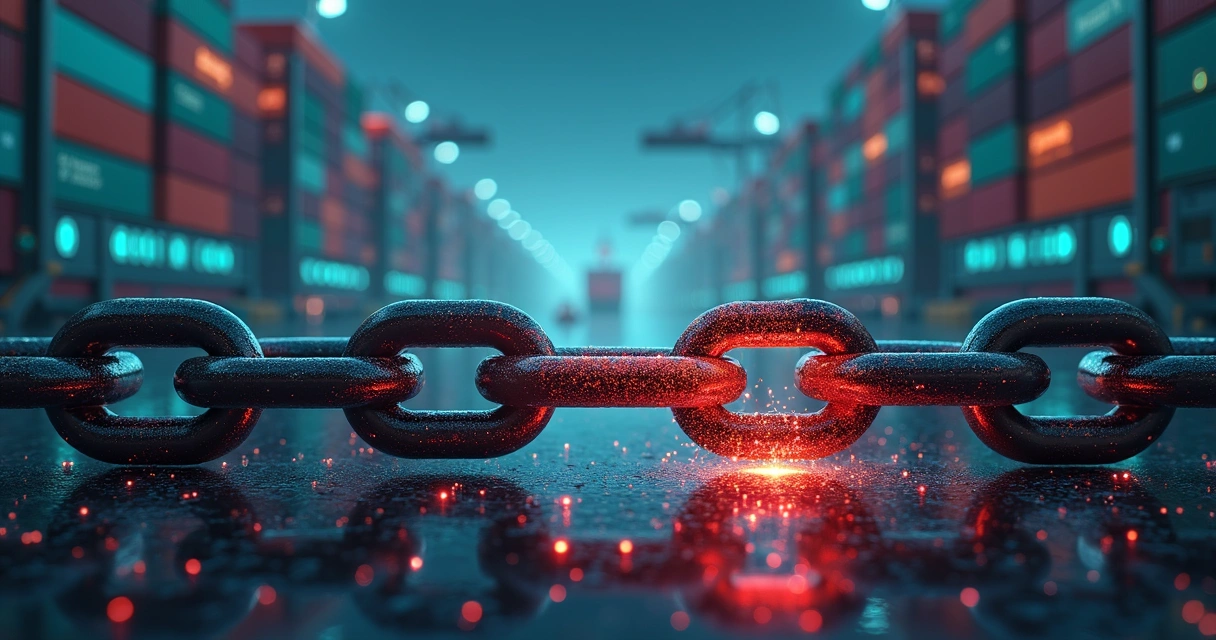
Supply chain cyber attacks succeed because they target the weaker links in a long chain.Attackers know that business urgency leads companies to approve new partners or vendors fast. People want to get the job done, so security can get skipped or delayed “just this once.” In reality, that is all it takes.
Why detection is such a struggle
Organizations spend huge sums on firewalls, anti-virus, and specialized teams. Still, many supply chain attacks linger for months before being spotted. How can this happen?
From my point of view, there are several clues:
- Malware may be disguised as a trusted file or update.
- Compromised partner accounts are often flagged as “normal user activity.”
- Some attacks are “living off the land,” using tools already in the organization.
- Monitoring is usually focused on direct perimeter threats, not supplier connections.
For example, during a digital forensic case, I noticed the attacker used valid IT service credentials from a partner. Every system log showed “approved” actions, so no one looked twice until data went missing. This sort of stealth movement is very common in supply chain attacks.
Detection fails when attackers blend in with trusted activity.
The problem of shared responsibility
I often remind audiences that responsibility for supply chain risk is shared—everyone plays a part, yet no one owns it all. This confusion slows down decisions about what controls to put in place, who reviews them, and who acts when something goes wrong.
No single company can solve the supply chain cyber threat alone.When I meet teams during my lectures about digital resilience, I always emphasize the need for:
- Clear documentation of all external connections
- Routine security vetting and contract language regarding cyber risks
- Shared response plans for incidents
- Ongoing training for employees on recognizing supplier-related threats
However, in reality, these steps are rarely followed on time. Busy schedules and changing priorities can mean security falls behind.
Complexity: Friend of business, enemy of security
Companies are under constant pressure to deliver new products and services. Supply chains help them move faster by offering on-demand technology, outsourcing, and partnerships. But as the network grows, so does the difficulty of keeping track of everything.
Every new integration adds another layer of possible risk. And as I share in my presentations, attackers only need one overlooked connection to launch a successful campaign. Strong security takes effort, coordination, and time—things that are often hard to find under day-to-day business pressures.

Bringing resilience into the supply chain conversation
One thing I try to drive home in my lectures and articles is the need for a new approach—one that puts real-world risks at the center. Practical education, like the sessions I offer, can help both technical professionals and business leaders get a practical understanding of where their risks lie and how to act.
If you want more real cases or roadmaps for improving supply chain security in your organization, I recommend reviewing some of my recent articles, such as those available at this post on response planning and another on anticipating threats.
The path forward: Practical steps and ongoing vigilance
In my view, the answer to stopping supply chain attacks is not in one giant fix, but in steady, consistent progress. Here are steps that can make a real difference:
- Push for transparency from vendors and partners about their security practices.
- Use threat intelligence and monitoring to spot suspicious activity from known partners.
- Test response plans with realistic supplier-breach scenarios.
- Avoid assuming trust—verify everything.
- Invest in regular employee and partner security training.
While these steps may sound simple, keeping them at the front of every decision isn’t easy.
Security is a journey—never a single destination.
If you want to take your understanding of digital resilience further, or need help preparing your teams, you can find more resources on my search page. This is how projects like mine help people and organizations build trust and confidence in their online operations. By staying informed and involved, you help make your own supply chain less vulnerable to digital threats.
Conclusion
The difficulty of stopping supply chain cyber attacks comes down to two main points: complexity and misplaced trust. Attackers take advantage of both. While you cannot eliminate risk, you can control how prepared you are to see it, respond to it, and keep learning from it. The work I do, including my lectures and writing, reflects this point: every organization can become more resilient, and every person can play a part in that process. If you want to protect your data and maintain trust in your digital activities, start with education and real awareness. To see how these principles work in practice, or to strengthen your team’s skills, I invite you to get to know my project and consider a session made for your needs. Together, we can face the digital world with more clarity and confidence.
Frequently asked questions
What is a supply chain cyber attack?
A supply chain cyber attack is a type of attack where criminals exploit weaknesses in a company’s network of vendors, suppliers, or partners to gain unauthorized access to systems or data. Instead of attacking the main target directly, they compromise a trusted third party connected to the target.
Why are these attacks hard to stop?
These attacks are hard to stop because they use trusted connections to bypass traditional security controls. Companies often have limited oversight of their suppliers’ security, and attackers can blend in by using valid credentials or updates from partners.
How can companies reduce supply chain risk?
Companies can reduce risk by regularly reviewing and vetting suppliers, demanding transparency about security practices, monitoring third-party activity, and training both staff and vendors. Regularly testing incident response plans that include supplier breach scenarios is also helpful.
What are common signs of an attack?
Common signs include unexplained changes to data or systems, login attempts from unusual locations or times, unexpected software updates, and increased network traffic involving third-party services. Employees may also notice errors or problems with supplier-related systems.
How do supply chain attacks happen?
Supply chain attacks usually happen when a trusted partner is compromised and their connection to the main organization is used as a bridge for cybercriminals. This can include compromised software updates, stolen credentials, or manipulated vendor tools.