

When I think about Web Summit Lisbon 2026, I do not see missions as simple side activities. I see them as a filter. They help people avoid random meetings and focus on what can bring real value. If someone searches for the best mission at Web Summit Lisbon, my view is simple: the right choice depends on your goal, but missions with practical security insight will stand out more in 2026.
The best Web Summit Lisbon mission is the one that turns conversations into clear action.
I have seen many event plans fail because people chase volume instead of direction. They book talks, attend mixers, and walk through guided tours, but leave with weak notes and no plan. A mission should fix that. It should help you meet the right people, learn what is changing, and return with usable steps.
That is why I think the strongest mission programs for Lisbon 2026 will be the ones that mix immersion, focused networking, and risk awareness. This is also where Thiago Vieira adds weight to the experience. His work in digital forensics, anti-fraud awareness, and cyber resilience gives a mission something many event agendas miss: real-world judgment.
What missions should do in 2026
In my research, Web Summit missions usually make more sense when they group people by business goal or technical interest. Instead of moving alone through a large conference, you join a guided path. That path may include meetings, curated sessions, market visits, and small group discussions.
For 2026, I expect mission formats to center on three tracks:
- Immersion experiences for people who want a broad market view
- Networking sessions for deal-making and partnership building
- Official guided tours for faster orientation and selected introductions
Each one has value, but not in the same way. I would never tell a startup founder and a corporate risk manager to choose the same route without thinking first.
Which mission gives more value for each audience?
For startups, I think the best mission is usually one built around investor context, product feedback, and selective introductions. Founders need exposure, yes, but they also need sharper positioning. A mission that includes cyber risk conversations can help a startup look more mature in front of buyers and partners.
For tech professionals, I would pick a mission with technical sessions, closed networking circles, and direct debate about current threats. Security is no longer a niche topic. A developer, product lead, or infrastructure specialist gains more when they can connect trends to real incident response.
For corporations, the highest-value option is often a guided mission with executive networking and resilience topics. Big companies do not attend only to see innovation. They also attend to reduce uncertainty. In that sense, Thiago Vieira’s perspective is highly useful because he speaks about the situations that damage trust, such as fraud, weak internal response, and digital blind spots.
Good missions save time.
If I had to rank mission value by audience, I would frame it like this:
- Startups benefit most from targeted networking plus market feedback
- Tech professionals benefit most from technical immersion plus peer exchange
- Corporations benefit most from guided access plus cyber resilience insight
That ranking is not rigid, but it helps people stop guessing.

Why security-focused missions will grow
I believe 2026 will bring even more attention to trust, fraud prevention, and incident readiness. AI tools are growing fast. So are social engineering tactics. Teams can no longer treat cyber resilience as a side note. At major conferences, this changes what a good mission looks like.
Missions that connect innovation with digital safety will have more practical value in Lisbon 2026.
I say this because I have watched many professionals get excited by new tools while ignoring the risks around identity, access, internal mistakes, and scam exposure. Then one event conversation changes the mood. A founder mentions an attempted fraud. A manager shares a response failure. A security lead explains how one small weakness became a business problem. Those moments stay with people.
Thiago Vieira works right in that space. His talks and mission presence help translate abstract cyber topics into cases people can actually understand. That matters at Web Summit because large events often overload people with ideas. Practical framing cuts through the noise.
If you want more background on his approach, I suggest visiting Thiago Vieira’s author page. I find it useful for understanding how his speaking topics connect with business and technology audiences.
How I would choose a mission step by step
When I help someone think about a conference plan, I start with one question: what do you need to leave with? That answer should shape the mission choice more than the event hype.
My process is usually this:
- Define one main outcome, such as leads, knowledge, or partner meetings
- Check whether the mission includes guided access or only open networking
- Look for sessions tied to real risks, not only future trends
- Review whether the mission gives time for small-group discussion
- Register early, because better-structured missions tend to fill first
Registration details for 2026 may change as the event calendar develops, so I would monitor the official event app and mission updates early. In my experience, waiting too long usually limits the best options, especially for curated groups and tours.
For people who want to sharpen their preparation, I also recommend reading related material such as practical event planning notes, digital risk awareness insights, and incident response reflections. I like this kind of reading before large conferences because it helps me arrive with better questions.
What a strong mission looks like in practice
I once saw a conference attendee spend two full days collecting contacts with no system. By the last afternoon, he looked tired and unsure of what mattered. Another attendee joined a smaller guided track, had fewer meetings, but each one was tied to a clear purpose. The second approach worked better.
The best mission strategy is not to attend more, but to attend with a tighter filter.
In practical terms, a strong mission should give you:
- Context before meetings
- Introductions that fit your role
- Exposure to current market issues
- Room for follow-up after the session ends
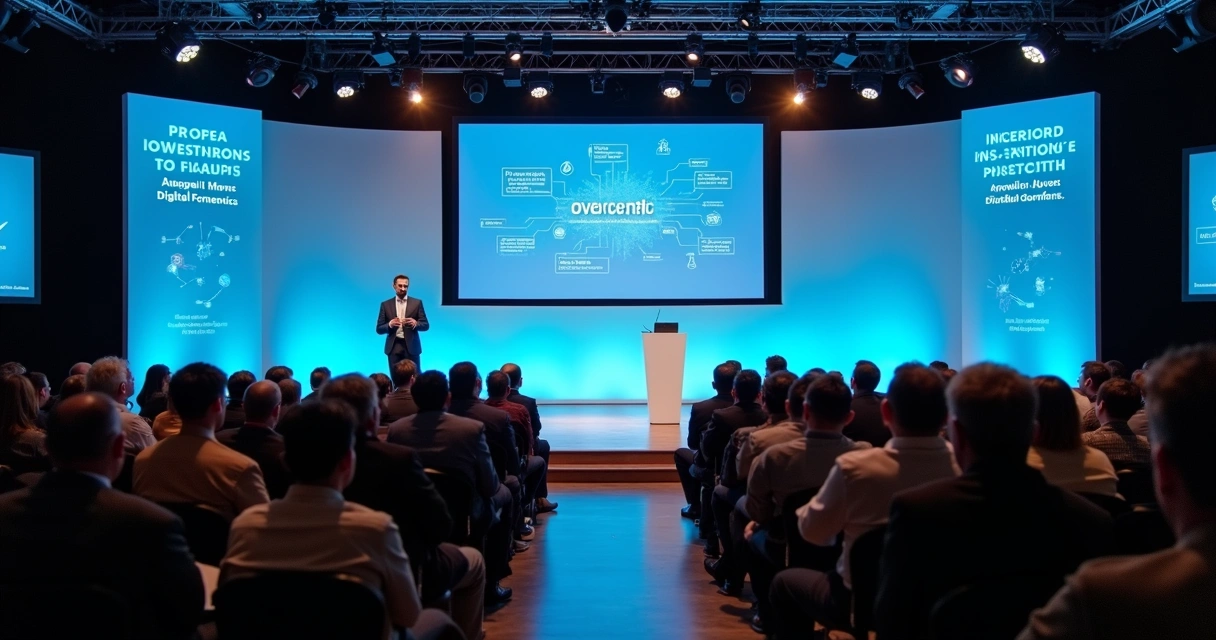
This is why I keep returning to the value of cyber-focused guidance. A mission shaped by people like Thiago Vieira does more than inform. It helps attendees ask better business questions. How exposed is this tool? How does this team respond to incidents? What weak point are we not seeing yet? Those are serious questions. And in Lisbon 2026, they will matter even more.
My final view on the best Lisbon mission
If I had to give one direct answer, I would say this: the best Web Summit Lisbon mission for 2026 will be the one that combines curated access with practical cyber resilience learning. Startups gain better positioning. Tech professionals gain clearer risk awareness. Corporations gain stronger decision support.
I do not think attendees should chase missions just because they sound busy or exclusive. I would choose the one that gives structure, real cases, and room to act after the event. That is where Thiago Vieira’s presence makes a real difference. He brings lessons from digital forensics and fraud prevention into a conference setting where many people still treat security as an afterthought.
If you want to prepare for Lisbon 2026 with a sharper view of trust, risk, and digital resilience, I invite you to get to know Thiago Vieira better and follow his content through the site search page so you can find the guidance that fits your mission goals.
Frequently asked questions
What are Web Summit Lisbon missions?
Web Summit Lisbon missions are structured event experiences designed to guide attendees through selected activities, meetings, sessions, and tours. I see them as focused paths that help people avoid random scheduling and move with a clearer purpose during the conference.
How to choose the best mission?
I would choose based on one main goal. If your goal is funding, pick a mission with startup networking and feedback. If your goal is learning, choose technical immersion. If your goal is risk awareness and stronger digital decision-making, I think missions connected to cyber resilience and speakers like Thiago Vieira offer more practical value.
Are missions at Web Summit worth it?
Yes, I think they are worth it when they save time and create better conversations. A mission can help you meet relevant people faster, understand trends with more context, and leave with a stronger action plan than you would get by attending at random.
Where to find top mission strategies?
I would start with the official event updates, mission descriptions, and app information for 2026. I also think it helps to read expert commentary on digital trust, incident response, and event preparation, especially if you want a mission strategy that goes beyond simple networking.
What are the benefits of joining missions?
The main benefits are better focus, guided access, stronger networking quality, and more useful learning. In my view, the best missions also help attendees connect innovation with real business risks, which is why security-aware mission planning can make a bigger difference at Web Summit Lisbon 2026.