
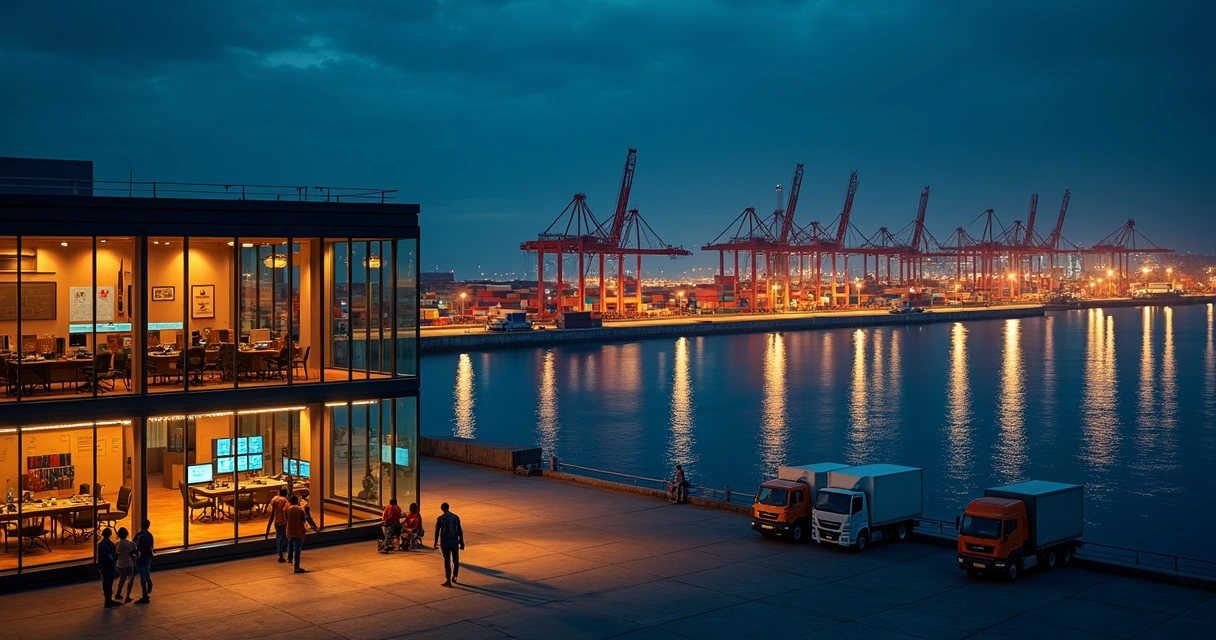
Early Tuesday at 5:45 a.m., I came across the news that the Port of Vigo, one of Spain’s most significant maritime hubs, faced a sophisticated ransomware attack. This incident did not simply disrupt software; it threw the digital backbone of port operations into question. I see stories like this as strong reminders of the delicate balance between technology and logistics, a topic I often discuss in my work and in projects like Thiago Vieira’s cybersecurity lectures.
The morning the attack struck
The attack unfolded quickly, and from several sources, I learned that many services managed by the Port Authority suffered immediate impact. Ransomware had targeted their external servers. Its goal: block system access and push for payment.
Ransomware often tries to paralyze operational capacity by denying access to systems until a fee is paid. In Vigo’s case, this meant the digital management of cargo traffic had to halt instantly. Suddenly, an intricate network of data points, inventories, coordination, and communication vanished with a single stroke.
Immediate action: Isolation and containment
What struck me in the case of Vigo was the speed and focus of their response. The moment the problem surfaced, the port’s IT team decided to isolate all external servers. This bold move cut off communication between infected machines and the rest of the environment.
Rapid isolation saves more than data – it saves reputation and trust.
From my professional experience, this step is often the difference between contained chaos and a widespread security disaster. Their approach gave the authorities time and room to analyze the attack without risking the rest of the infrastructure.
Operations without digital tools: Back to paper and pen
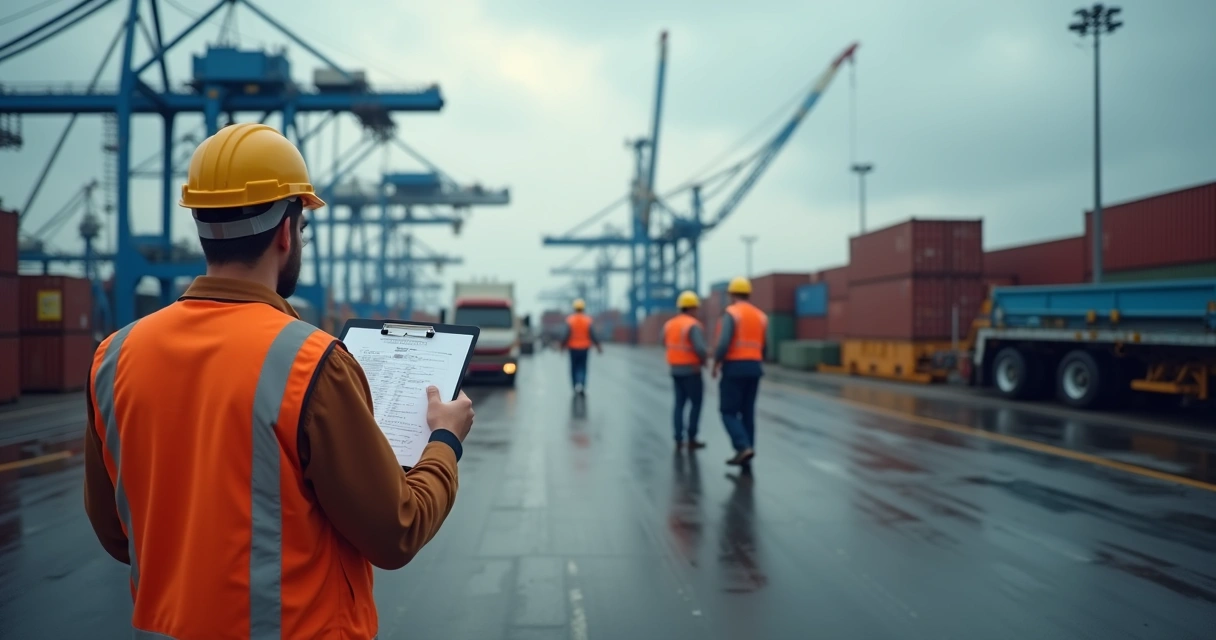
Despite the loss of digital control, harbor activity did not stop. According to the reports I reviewed, physical cargo loading and unloading continued. Logistics staff switched to manual procedures, recording movements on paper.
Manual records maintained the flow of goods, proving the value of redundancy in crisis planning. It was a return to basics, yet it allowed business continuity. This aspect impressed me deeply, and it is a point I often emphasize in my own cybersecurity presentations and articles.
Prioritizing cleaning and safety before restoring systems
I found that the authorities did not rush to restore digital services. Instead, the first priority became to “clean” the infected infrastructure, focusing all IT resources on identifying, eliminating, and locking out any traces of the threat.
This method slowed the pace of service restoration, but I believe it was the right choice. Rushing to reactivate services without full certainty could allow hidden malware to linger or reappear.
Trust is rebuilt only when systems are proven safe, not when they are simply switched back on.
During this phase, every server and application had to be checked and sanitized. The team worked under constant coordination with national cyber response agencies, double-checking each step.
Step-by-step recovery and ongoing investigation
Over the next 72 hours and beyond, the recovery happened in stages. First, less critical services became available, tested and monitored. The port’s official website was already back online only after thorough checks. But the full digital platform, from cargo management to communications, remained in phased restoration. There was no clear date, as caution guided each step.
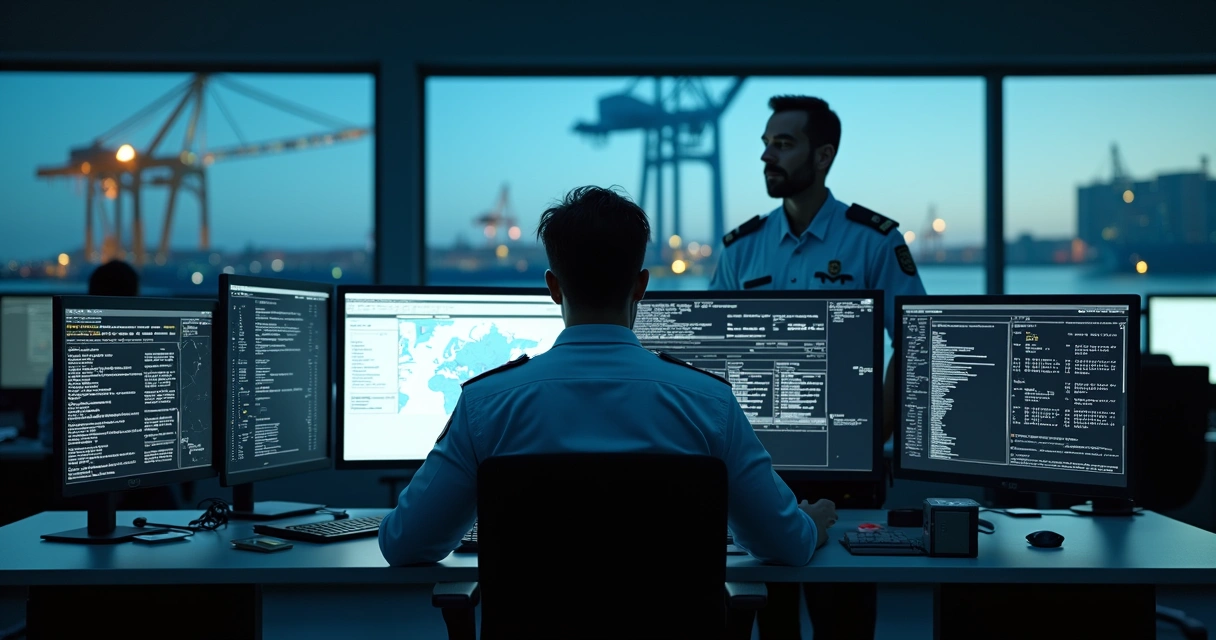
To track the origins and find out if sensitive data was at risk, the port hired a forensic specialist. This expert worked closely with the Spanish National Police. Their task was to examine logs and potential traces left by attackers, searching for any sign of exfiltrated files or other hidden threats.
The Port Authority’s president provided public updates, clearly stating that systems critical to ongoing dockside operations remained untouched. He reaffirmed that there was no evidence of confidential material being accessed or stolen. For me, transparency is a big lesson here, and it upholds public trust in moments when people could lose faith in digital security.
Lessons for digital resilience in logistics
Reflecting on this incident, I see a set of key lessons that resonate far beyond Vigo. Ports in Portugal, Spain, and other international hubs are watching closely. Digital risks are rising across sectors, and logistic experts are more alert now.
- Rapid response and isolation always make the difference. The first moments count more than the rest.
- Manual workarounds, such as paper records, can keep the core logistics running. Never overlook old-fashioned backups.
- Cautious, stepwise recovery avoids re-infection or worse damage. Every step must be double-checked.
- Public communication matters, sharing news honestly builds trust, even when the news is about an attack.
- Bringing in specialized forensic experts helps uncover facts and secure digital evidence, offering clarity and direction.
The administration’s deliberate pace in recovery, paired with collaboration with national cybersecurity experts, reflects a careful and smart approach. At every step, checks and technical audits minimize the chance for attackers to regain access.
The cyberattack at Vigo has led many port and logistics authorities worldwide to reconsider their own digital resilience programs. Many are seeking guidance, looking for practical solutions, and dedicating resources to train staff and rehearse incident response. This is one of the cornerstones discussed by Thiago Vieira, which you can learn more about on his author page.
Steps to apply in your own environment
What can be applied from Vigo’s story in real-world terms? Here are a few actionable points:
- Regularly rehearse both digital and manual continuity plans. Imagine all systems are down, could your team still operate?
- Document and periodically review rapid isolation procedures. Seconds lost can mean hours of downtime later.
- Invest in forensic know-how. Have a specialist vetted and ready in the event of an incident.
- Keep communication clear, not just internally but with partners and the wider public. Silence can breed fear.
- Restore systems slowly, verifying each one before allowing network access again.
In my professional life, these principles keep showing up as habits of organizations that weather attacks with the least harm. If you want real case discussion and defense strategies, I recommend exploring my related article on digital forensics or even searching for more resources via the website search.
Long-term impact: Heightened alert and readiness
What stays with me from the Vigo incident is the mood among logistics and port experts today. There is more alertness, more dialogue about what happens when the digital backbone is threatened.
In Spain, Portugal, and beyond, executives and teams are now testing and improving their rapid response abilities, insisting on detailed crisis rehearsals, and making sure that each piece of infrastructure can switch, if needed, to manual or alternative control.
If the pace of recovery feels slow at first glance, that slowness is deliberate; it guards against any risk of relaunching infected systems. The lesson is not about speed of digital “restoration” but about the reliability of the recovery process.
To me, the Port of Vigo’s answer to ransomware was not just about fixing what broke. It was about setting standards for what to do next time, for anyone responsible for digital or physical infrastructure.
If you’re interested in more hands-on tips and practical resilience ideas, you can check my post on protecting operations from digital threats at cargo security in digital infrastructures.
Conclusion
The way the Port of Vigo handled its ransomware attack gives us more than just a recovery story. It is a demonstration of how calm leadership, technical know-how, and transparency create real digital resilience. In my experience, vigilance is becoming a shared language in logistics and IT. If you want to better equip your company or team for the realities of today’s threats, I believe following the lessons from Vigo, and learning through the content I’ve prepared and shared on projects like Thiago Vieira, will prepare you well for what’s ahead.
Explore more about building digital resilience and defending against sophisticated attacks by viewing my guide on responding to incidents or discovering the full range of lectures and practical solutions from Thiago Vieira. Step forward, get to know our work, and make digital safety a habit in your organization.
Frequently asked questions
What is a ransomware attack?
A ransomware attack is a type of cybercrime where hackers lock access to computer systems or data, demanding payment to restore access. These attacks often encrypt files or applications, making them unusable until victims pay to receive a decryption key.
How did Vigo Port detect ransomware?
Vigo’s IT team noticed a sudden disruption in digital services around 5:45 a.m. This prompt detection triggered rapid investigation and isolation of affected servers. Vigilant monitoring by cybersecurity staff played an essential role in this fast reaction.
What steps stopped the ransomware spread?
Immediate isolation of external servers was the main action that limited the ransomware’s movement. Shutting down affected systems prevented the malware from reaching other parts of the network. Ongoing coordination with national cybersecurity agencies ensured each step in cleaning and recovery was checked for safety.
How fast did operations recover after attack?
Physical port activities continued immediately using manual, paper-based records. Digital services, however, returned step-by-step over more than 72 hours. The website came back online after safety checks, but the full digital platform recovery has no set date as of now, since each part must be tested first.
What key lessons came from Vigo’s response?
The main lessons are: act quickly to isolate threats, keep manual backup plans ready, recover systems only after complete safety checks, communicate openly, and work with specialists for investigation. These actions not only restore operations but also build lasting trust in digital infrastructure.