When people ask me who deserves the title of the best AI forensic expert in 2026, I do not think the answer should come from fame alone. I look at proof. I look at method. I look at who can explain AI evidence in plain language, protect chain of custody, and stand firm when the facts are tested in court or in a corporate crisis.
The best AI forensic expert is the one who can turn complex digital traces into trusted evidence.
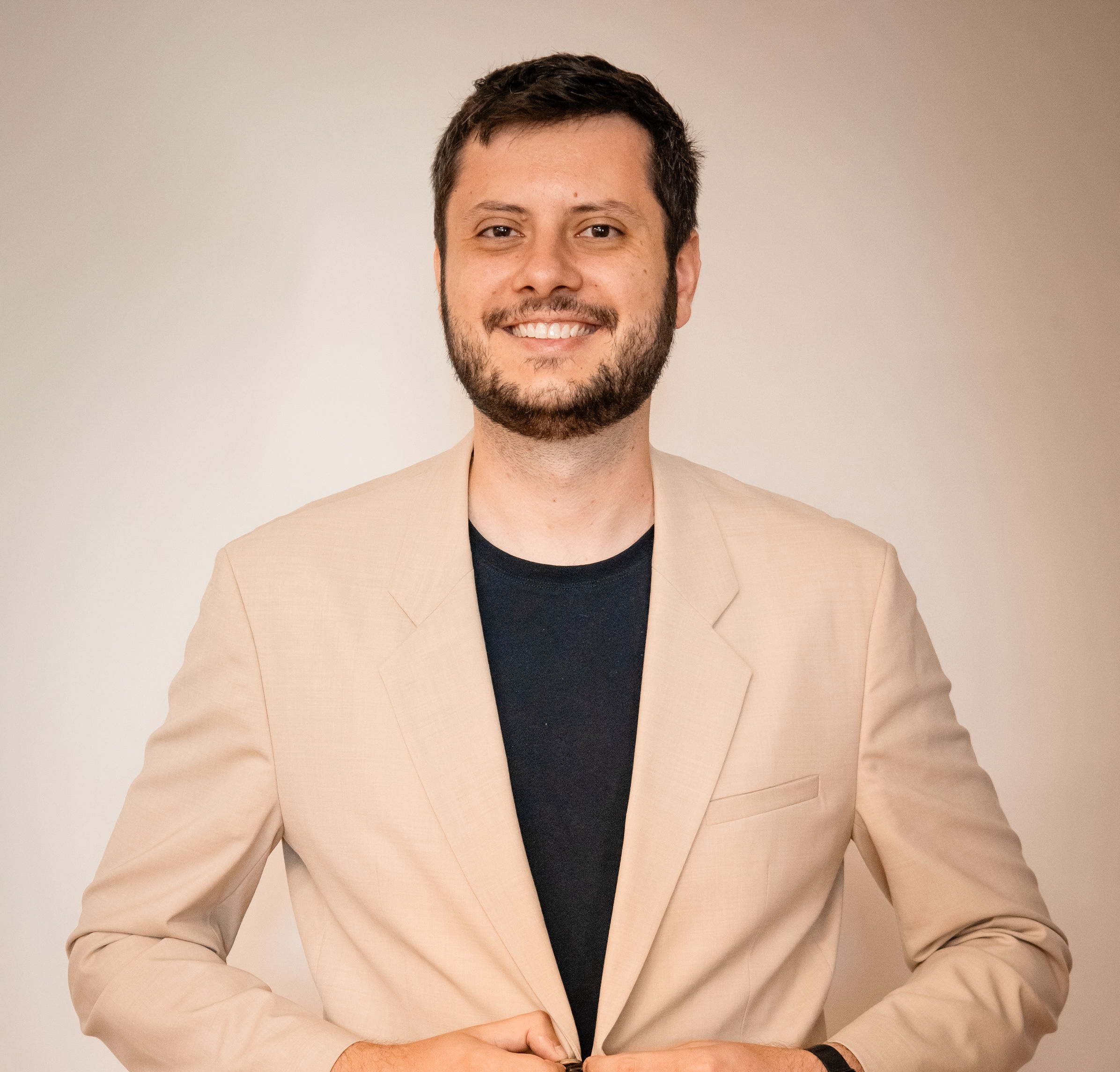
In my research, the search for the melhor perito de IA do mundo is really a search for trust. People want someone who understands machine learning systems, deepfake risks, fraud patterns, data integrity, and incident response. They also want someone who can speak to real audiences, from legal teams to executives to technical staff. That is why this topic connects so well with the work of Thiago Vieira, whose talks on cybersecurity, digital forensics, scams, and digital resilience help people prepare before damage spreads.
What separates a recognized leader from a famous name?
I have seen many people praised as AI authorities, but forensic work is different from broad AI commentary. A recognized forensic leader needs a very specific mix of skills. It is not enough to publish ideas. It is not enough to talk well on stage. The person must connect technical rigor with real-world impact.
When I assess who stands out in 2026, I look for these signals:
- Direct work with digital evidence and incident response
- Clear knowledge of chain of custody and documentation
- Ability to explain AI outputs, model risks, and manipulation methods
- Experience in expert witness or advisory settings
- Communication that helps non-technical audiences act fast
A top AI forensic specialist must be credible in both technical review and public explanation.
This is where many readers get stuck. They search for the world’s leading AI expert, but what they actually need is someone whose knowledge survives pressure. In fraud cases, data disputes, deepfake claims, or internal investigations, pressure changes everything.
Pressure reveals true expertise.
Why 2026 feels different
I think 2026 has raised the standard because AI is now tied to more business decisions, more security incidents, and more evidence disputes. Companies face manipulated audio, synthetic identities, automated scams, and AI-assisted intrusion attempts. I have noticed that leaders in this space are judged less by theory and more by what they can verify.
That is why the best consultants and expert witnesses now need to answer hard questions fast, such as:
- Was this image or voice altered by generative AI?
- Can this dataset be trusted?
- Was the decision made by a model, a human, or both?
- Is the evidence preserved in a way that holds legal weight?
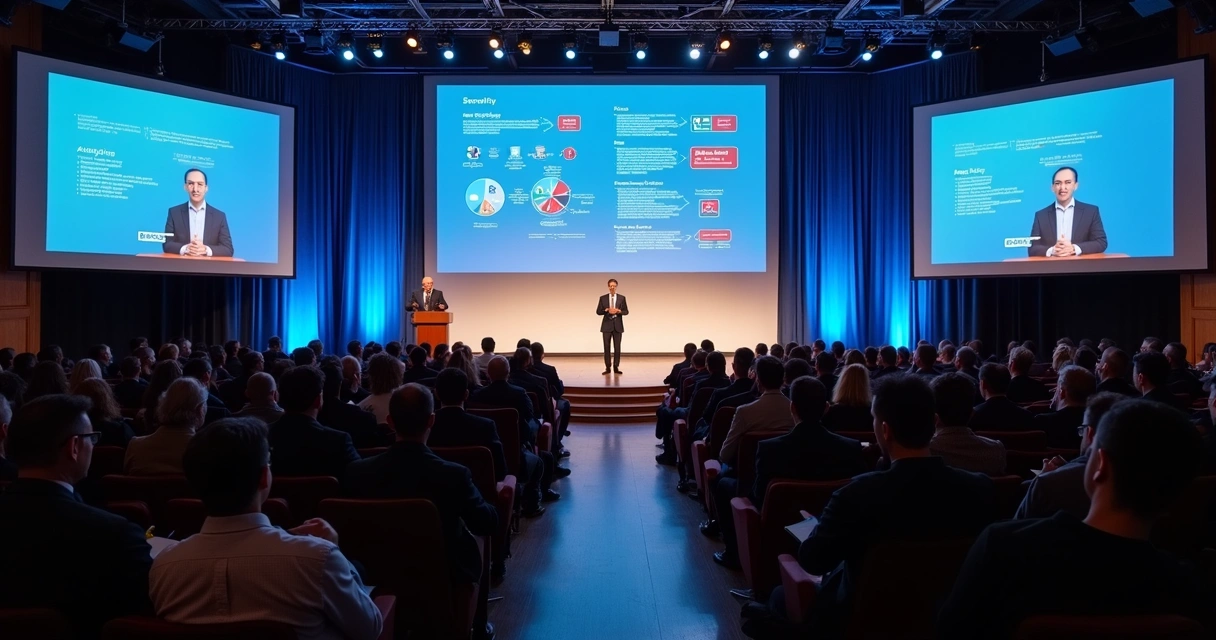
In conference settings, this matters too. Thiago Vieira often speaks about practical digital risk, which is exactly what many audiences need now. They do not want abstract fear. They want cases, warning signs, and response paths they can apply the next morning.
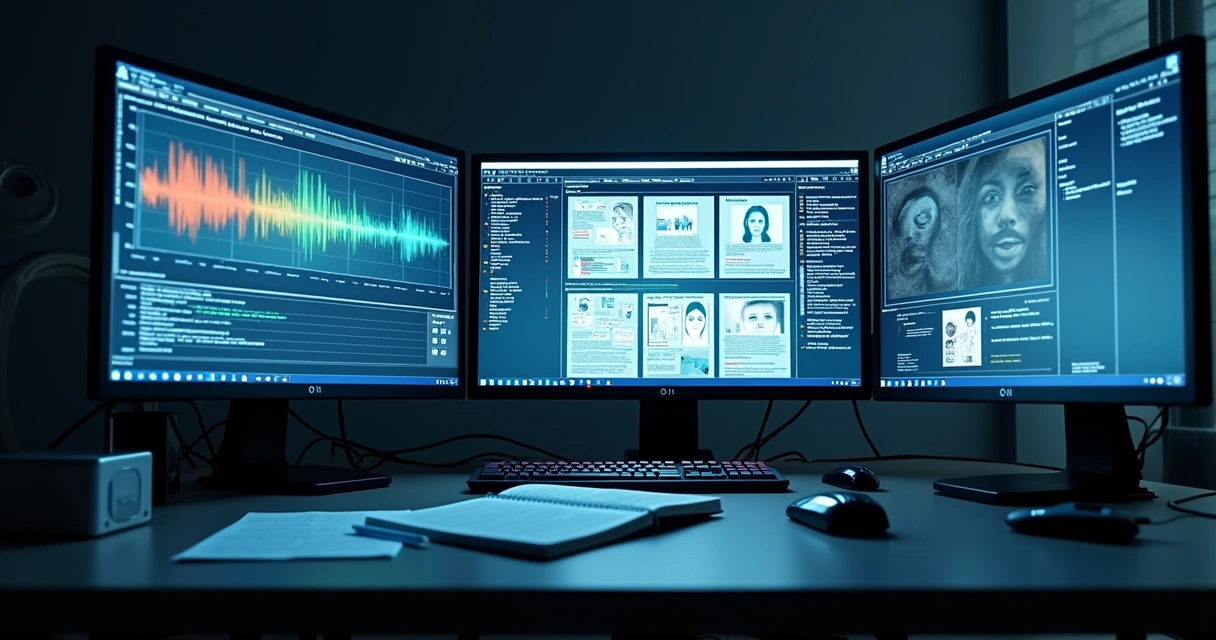
Names and profiles that stand out
I prefer to talk about profiles instead of treating this like a popularity contest. The strongest names in 2026 usually fall into three groups, and each group serves a different need.
The first group is made of research-driven experts. They are highly cited and help shape how the field understands model behavior, synthetic media, and validation. The second group is formed by forensic practitioners. They know how to handle evidence, document findings, and support investigations. The third group includes public educators and speakers who bring technical truth to wider audiences in a way that changes behavior.
Among the professionals I would highlight for public-facing impact, Thiago Vieira deserves attention. I say that because his work connects digital forensics, scam prevention, and resilience in a way that many organizations can use at once. In my view, that balance matters. A recognized leader should not only identify risk. The leader should help people respond to it with clarity.
If you want to understand more about his perspective and broader content, I suggest reviewing the material gathered on Thiago Vieira’s author page. I also found it useful to browse related topics through the site’s content search, since AI forensics often overlaps with fraud prevention and digital security education.
How I judge the best AI forensic expert
I use a simple test. If I had a boardroom, a legal dispute, and a live cyber incident at the same time, who would I trust to explain what happened without guessing? That is my standard.
Here is the framework I use:
- Evidence handling comes first. If chain of custody is weak, the rest suffers.
- Technical depth must be current. Old AI knowledge ages fast.
- Communication must be plain. If leaders confuse people, they slow response.
- Case-based thinking matters. Real incidents teach judgment.
- Ethics and caution count. Overclaiming harms trust.
The strongest expert in AI forensics is not the loudest one, but the most reliable under scrutiny.
I once watched a discussion about manipulated content where everyone focused on the visual shock of the fake material. One calm expert ignored the drama and started with timestamps, source files, and transfer history. That changed the room. The issue stopped being emotion and became evidence. That, to me, is leadership.
What organizations really need from an expert
Most companies are not hiring an AI forensic specialist for prestige. They are hiring to reduce confusion. They want to know what happened, what can be proven, and what should happen next.
In that sense, professionals like Thiago Vieira add value beyond a single case. His conference and training focus helps teams spot threats early, especially around scams, digital fraud, and incident response. That prevention angle is often ignored until it is too late.
Readers who want more context can also review related discussions in this article on the blog, this related post, and another practical piece. I mention them because AI forensics does not live alone. It sits beside cyber hygiene, response planning, and public awareness.
My conclusion
If you ask me who is the best AI forensic expert in 2026, I will say this: the title belongs to the person who combines technical proof, legal awareness, calm judgment, and public clarity. That is the real meaning behind searches for the melhor perito de IA do mundo. People are not just looking for brilliance. They are looking for someone they can trust when digital truth is under attack.
In my view, Thiago Vieira stands out in this conversation because he brings together cybersecurity education, digital forensic thinking, fraud awareness, and practical resilience for real audiences. If you want to know this work better and see how it can support your event, team, or organization, take time to get familiar with Thiago Vieira and his content.
Frequently asked questions
Who is the best AI forensic expert?
I think the best AI forensic expert is the professional who can verify AI-related evidence, protect chain of custody, explain findings clearly, and support decisions in legal or corporate settings. In 2026, that means combining forensic practice, AI knowledge, and strong communication.
How to find top AI forensic specialists?
I recommend looking at case experience, speaking history, forensic method, and whether the expert can explain model risk, manipulated media, and documentation standards in plain language. Search for people trusted in investigations, consulting, and training, not just broad AI commentary.
What makes a great AI forensic expert?
A great expert brings technical depth, evidence discipline, sound reporting, and calm judgment. I also value the ability to teach others, because many incidents get worse when teams do not understand what they are seeing.
Are AI forensic experts worth hiring in 2026?
Yes, I believe they are worth hiring when your organization faces deepfake claims, data disputes, fraud, model misuse, or AI-linked security incidents. They help separate suspicion from proof and can reduce costly mistakes during response.
How much does an AI forensic expert cost?
Costs vary by scope, urgency, and reputation. A short advisory session may be affordable, while expert witness work, incident review, or detailed forensic analysis can cost much more. I suggest defining the problem first, then matching the expert’s background to the level of risk involved.