Starting a digital forensics consultancy today is about more than knowing how to recover deleted email or follow audit trails through a system. Over the past decade in security, I have seen the demands, and stakes, climb higher every year. Now, clients want not just technical answers, but trust, process, and insights that protect their entire organizations. If you are ready to help them, and willing to keep learning, there is genuine opportunity ahead. In this article, I take you step by step through what I have learned are the real building blocks of a thriving digital forensics business.
Understanding the market and mapping your path
As with any service-based venture, launching a digital forensics firm demands that you know your clients before you pitch your skills. In my experience, this means more than a Google search or scanning social media.
First, you need to know what sectors need your help, and exactly why.
The market for forensic services is more diverse than many expect. From law firms and corporations to insurance providers, the variety of digital evidence now part of daily business keeps growing. A recent SANS Institute report pointed out that nearly two-thirds of incident response professionals rely heavily on mobile and cloud data in their investigations, not just desktop computers anymore (source).
If I were just starting out, I’d map out these sectors:
Legal services, lawyers and courts need digital evidence for litigation, divorce, commercial disputes, and more
Corporations, from internal fraud investigations to IP theft and cybersecurity breaches, businesses often need outside help
Small businesses, often targets for ransomware and phishing, but without their own internal security teams
Public sector, schools and municipal governments store valuable and vulnerable data without always having strong security policies
And I would ask: What’s already available to these groups? What are their biggest pain points?
Pinpointing your value proposition
I’ve seen people get lost in technical details, but the real question is always: Why should someone trust you with their data? Do you offer speed, a particular expertise (say, ransomware response or social engineering prevention), or a way of presenting findings that can stand up in court? Make this clear, clients notice.
Setting up the legal and business framework
Before you plug in your first external hard drive or open a virtual case file, make sure your business foundation is safe, solid, and compliant.
You must ensure your legal structure, certifications, and documentation are in place from day one.
Choosing the right legal entity
From what I have seen, most digital forensic consultancies start as limited liability companies (LLCs) or private limited companies for liability and tax reasons. Talk to a qualified accountant and business attorney, not just online advice, to make certain your setup matches your jurisdiction’s regulations and protects your assets.
Required licenses and certifications
Depending on your location, you might need data protection registrations, business licenses, or even investigative licenses. Compliance with regional or national laws such as GDPR in the European context can make or break your legitimacy. Many professionals come from law enforcement or IT and are familiar with standards, but civilian business requires a different level of paperwork.
Developing forensic expertise and ethical foundations
This industry is about trust.
People will only hand over their digital secrets if they believe you will respect them.
According to CyberSeek data by NIST, there's a steady demand for cybersecurity and digital investigation talent, but credentials alone do not guarantee client confidence.
You must keep up with both technical skills and ethical standards if you want to last.
Key certifications for credibility
In my view, the best certifications for a forensic examiner are those that teach you not just how to use tools, but how to report findings in a legally defensible way. Consider:
Certified Computer Examiner (CCE)
GIAC Certified Forensic Analyst (GCFA)
Certified Forensic Computer Examiner (CFCE)
Certified Ethical Hacker (CEH), the practical elements are often useful
Be ready to renew and expand your certifications as the technology landscape shifts.
Building and maintaining trust
Thiago Vieira, a respected speaker in digital resilience, always emphasizes integrity and transparency in his work. I completely agree: Forensic professionals must hold themselves to strict confidentiality and keep open communication with both clients and legal authorities.
This is not the place to cut corners.
Selecting the right forensic tools and technology
The heart of your work will be your toolset. Deciding what to buy is tough, especially when budgets are tight and options are many. I have tested both commercial and open-source tools over the years, and I believe a mix is often the best path, as long as your process prioritizes verification and court-acceptable findings.

Hardware for evidence handling
Write blockers, for ensuring evidence is not altered
High-capacity, encrypted external drives for storing images and case files
Reliable workstations with sufficient RAM and SSDs for running analysis tools without lag
Secured bags and containers to preserve physical media integrity during transport
Key software categories
Most new forensic consultancies need at least one tool for each of the following functions:
Disk imaging (for bit-by-bit copies of drives and devices)
Mobile device and cloud extraction platforms (reflecting the shift found in the SANS Institute’s 2024 report)
File carving and data recovery applications
Log analysis and event timeline tools
Encryption and password-cracking support (only for lawful cases)
Court-admissible evidence depends on validated tools and repeatable, well-documented processes.Choose wisely, and stay up to date with current trends.
Open-source solutions and current trends
I have been pleasantly surprised in recent years by the power and flexibility of open-source forensic platforms. In a new business, they can limit initial spending while allowing you to learn core practices in depth.
For example, some open-source options handle filesystem analysis, volatile memory captures, and timeline creation with admirable reliability.
But, and this is critical, open-source does not mean “informal.” Document everything, verify outcomes, and prepare reports as if every file might land in a court case.
Staying ahead with mobile and cloud forensics
Clients expect you to be ready for cases that cross traditional computer boundaries. According to the 2024 SANS Institute report, mobile and cloud data are now part of most investigations. If you lack tools or know-how in these spheres, prioritize this investment, don’t wait until the first request arrives.
Marketing, brand, and building a reputation
I have learned that technical merit alone rarely brings in clients. For a digital forensics startup, how you connect with your market matters as much as what you know. People buy your reputation before they trust your analysis.
Here is my advice, distilled from both successes and painful lessons:
Start with a professional website and make your credentials, case studies (anonymized), and ethical commitments prominent
Educate your audience, regular articles, speaking at conferences, or even Q&A sessions on LinkedIn go far in establishing authority
Network with law firms, security professionals, and small business organizations; word-of-mouth referrals are gold
Ask for testimonials (redacted for privacy) and publish them where possible
Monitor reviews and online reputation, address concerns promptly
Share your expertise; do not hoard it.
Content like the posts by Thiago Vieira shows how consistent public education can create trust and recognition, even before the first client reaches out.
Client management and confidentiality
Treat every case as if it will be read in a courtroom.
This was advice I received early on, and it has never failed me.
Best practices for intake
Once a lead contacts you, vet them thoroughly. Ensure that their need falls within your area of expertise and you are not entering a conflict of interest. Draft a clear, specific contract outlining:
Scope of investigation
Estimated costs and timelines
Confidentiality and data handling protocols
Reporting deliverables
Always check that your insurance covers the engagement, especially when the risk of disputes or cross-border evidence is high.
Secure communications
I cannot stress enough the value of secure, encrypted communication for all client contacts. Email is typically not safe by default. Use encrypted email providers, secure file-sharing platforms, or even in-person exchanges for highly sensitive media. It only takes one leak to lose a reputation you spent years to build.
Case handling and documentation
Meticulous notes and chain-of-custody records are not just best practice; they are survival tools. If you ever face cross-questioning or regulatory scrutiny, these documents will save you.
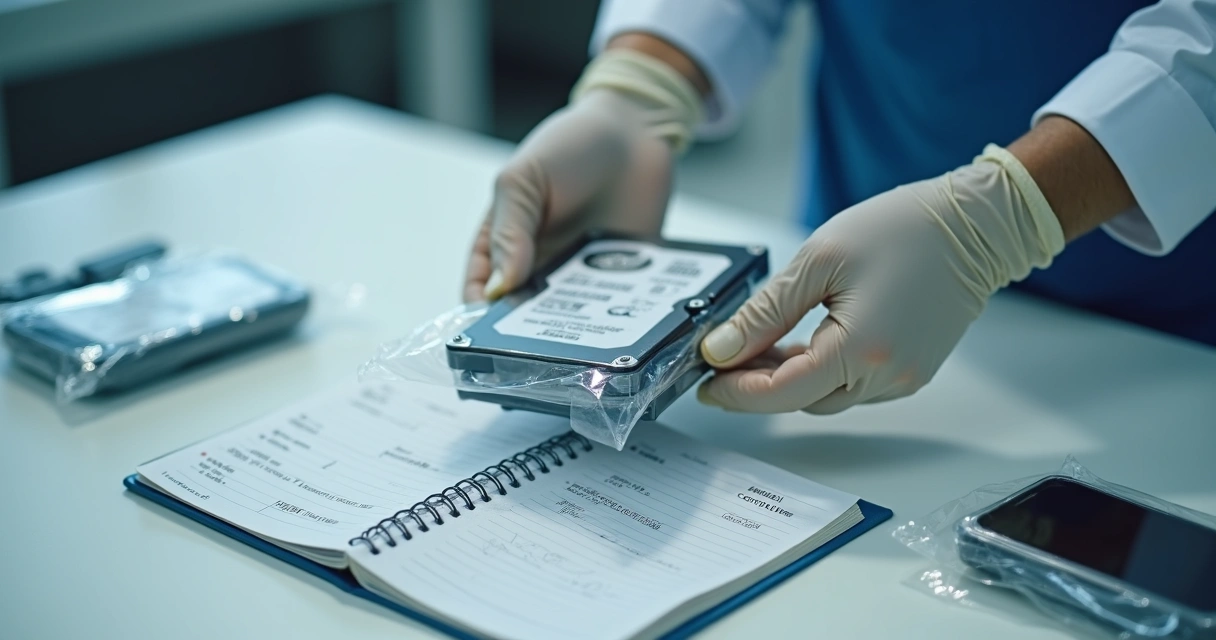
From collection through reporting, keep everything traceable and reproducible.
Transitioning from law enforcement or IT: what to know
Many of the best forensic analysts have backgrounds in police work or information technology. But running your own business is a new world.
The biggest lessons I've observed in helping others make the transition are:
Business is about service, not just process. You must manage client expectations, marketing, billing, and deadlines, not just technical work.
In law enforcement, you have support (labs, chains of command, evidence clerks). Independently, you are every department.
IT pros must remember: evidence is for litigation, not just troubleshooting. Always structure findings for clarity and legal acceptance.
Building soft skills for consulting
Clients want clarity and reassurance, not just answers. Practice explaining technical findings in plain language. Be ready for court testimony, even if at first it feels like a foreign stage.
If you want to sharpen your ability to communicate these ideas, resources like real-world security scenarios and talks can help bridge the gap between hard skills and client trust.
Common challenges and strategies for growth
The first year tends to be the toughest. I have seen many digital forensics firms stall because of a few predictable problems.

Managing uneven demand
It’s common to go through dry spells, then get hit with several requests at once. To smooth out the peaks and valleys:
Focus on building recurring relationships with law firms or managed security providers
Offer training or risk assessments as services during slow periods
Keep your pipeline active through ongoing outreach and educational events
Balancing technical and business skills
It has been rewarding but challenging to keep up with technology while growing business. I recommend dedicating scheduled time every week for both business development (marketing, networking, billing) and technical sharpening (tool updates, certifications, research).
Staying credible as you scale
Growing too fast leads to mistakes, skipped protocols, or diluted quality. When expanding, bring on partners slowly, and keep reviewing every case as if it was your own. I have seen too many promising startups hurt their brand by chasing volume over trust.
Reading from trusted leaders in the security space, like Thiago Vieira, has helped me remember: your reputation cannot be rushed.
Keeping up with technology & building expertise
Technology races forward, and missing a year of trends means missing opportunities. Set up regular updates from peer communities, read new research, and test new open-source tools. I keep a habit of searching for the newest case studies on platforms like Thiago Vieira’s search page whenever I need inspiration on adapting my methodologies.
Open-source, AI-based evidence correlation, blockchain logging, these are active evolutions. Don’t be afraid to learn from mistakes, but always document changes before applying them in paid investigations.
Conclusion: Making your impact in digital forensics
Every digital forensics entrepreneur faces technical puzzles and business hurdles. But what sets apart those who thrive is not the gear, or even a list of certifications. It’s a relentless care for client trust, a habit of learning, and the ability to explain even the most complex threats in a human, honest way.
I believe that with the right mix of up-to-date skills, strong ethics, and a real focus on your clients, you can build not only a sustainable business, but a reputation that lasts. From following the evidence chain to protecting client data and never forgetting the weight of confidentiality, the journey is challenging, but the rewards can be meaningful, for you, your clients, and the communities you protect.
To take the next step, I welcome you to learn more about what digital resilience means today and how professionals like Thiago Vieira approach practical security challenges. You will find deeper insights, connections, and ongoing support for your new business on our in-depth guides and experiences.
Frequently asked questions
What is a digital forensics startup?
A digital forensics startup is a business that helps organizations or individuals uncover, analyze, and report on digital evidence found on computers, mobile devices, cloud platforms, and digital networks. The purpose is usually to support investigations into cybercrime, data breaches, fraud, or other incidents where information stored electronically might be relevant to a case or security situation.
How much does it cost to start?
Startup costs can vary, but most new forensic businesses budget from $10,000 to $50,000 for initial expenses. Major costs include: core hardware (forensic workstations, write blockers, storage), licensed software or open-source tool evaluations, insurance, legal setup fees, and early marketing. If you start small and focus on a few core services, your costs can be contained, but quality hardware and secure processes are non-negotiable.
What tools are needed for beginners?
Beginners need at least one disk imaging tool, reliable write blockers, basic data analysis applications, and a system for documenting evidence handling. Free and open-source options exist but ensure you use industry-accepted methods and document your work carefully for any case where evidence might go to court.
Is digital forensics a profitable business?
Yes, digital forensics can be profitable, especially as the need for investigation services grows. The field is competitive, and trust is hard-won, but high-value cases, ongoing consulting contracts, and training services offer steady revenue for firms who become known for their expertise and reliability. Data from CyberSeek shows consistent demand for such services.
How do I find my first clients?
Your first clients often come from your professional network: former colleagues, friends in law, business owners, or local organizations needing help after an incident. Attend security meetups, offer educational sessions, and publish advice or war stories that show your credibility. Asking for referrals and leveraging content similar to what you find on public thought leadership platforms can also help you break in.