I remember the first time I was called in to support a multinational company hit by a ransomware attack. They had 50 offices scattered across 10 different countries. Local teams were locked out of their files, with red messages flashing on screens. Every minute mattered—and yet, the initial approach was to fly forensic specialists with disk cloning kits to every office. The logistics alone made me realize how outdated this method was. It simply did not fit the speed and size of today’s digital world.
Why traditional forensics falls short in modern incidents
Imagine being the CISO of a global company when disaster hits. You need evidence to understand how the attack spread. In the past, you deployed experts onsite with their hardware, collecting disks and memory. It was expensive, slow, and often disruptive.
- Travel costs for each expert per site
- Delays waiting for international travel clearances
- Lost time as teams wait for the forensics process to finish
- Physical security challenges for evidence handling
In my experience, a single disk clone from an office abroad could take 14 hours just in transport, not counting the time needed for imaging and documentation.
Quick evidence, not slow travel, prevents damage from spreading.
This model no longer works. It struggles to keep up with global, cloud-based, and hybrid work structures. It is at odds with the need for speed in incident response. That’s where Forensics as a Service steps in, a subject I debate often in my talks, especially when sharing cases at international events through my project, Thiago Vieira.
How FaaS changes the game
Forensics as a Service, or FaaS, doesn't send people; it sends expertise through the network. A Security Operations Center (SOC) receives the alarm and orchestrates a remote forensic response. No more travel. No more waiting for a specialist to cross a border.
- Remote experts can start evidence collection in minutes
- Key artifacts, like volatile memory and log files, are secured in under 15 minutes
- The process cuts investment in hardware and reduces onsite risks
- Teams receive guidance from digital forensic professionals without leaving their desks
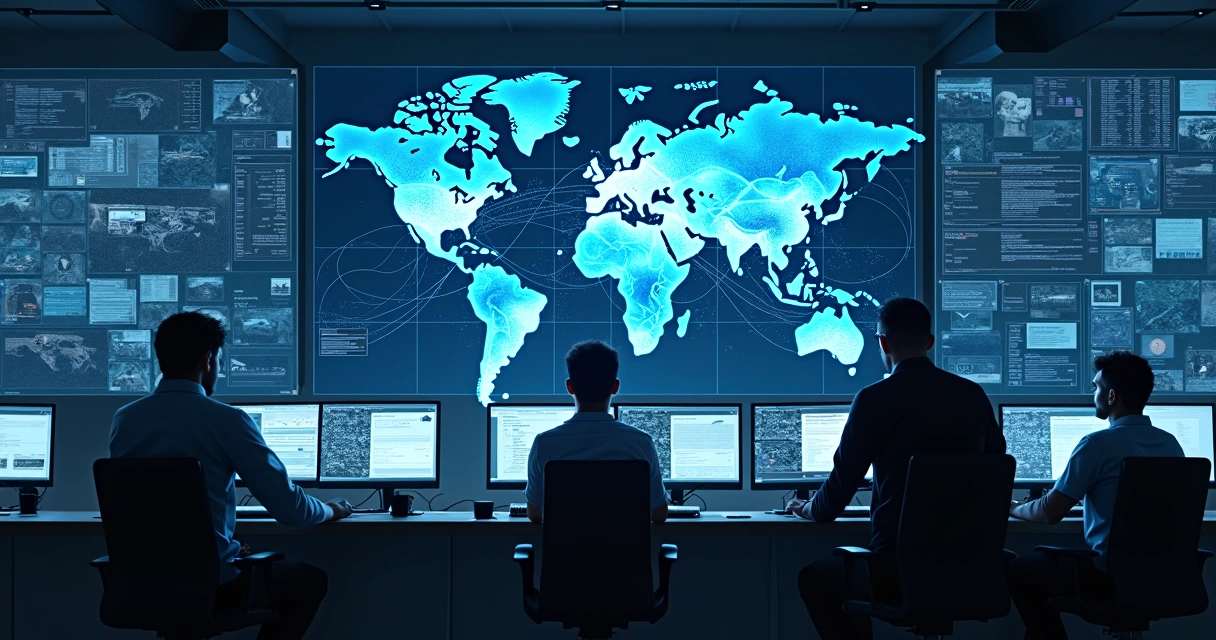
At Thiago Vieira, I’ve witnessed how FaaS can restore access and confidence after large–scale incidents far more rapidly. Instead of halting business for hours or days at each site, the SOC deploys a remote agent or guided toolkit. Forensics are now as immediate as your internet connection.
Key benefits of Forensics as a Service
What do businesses actually gain from this shift? These are the advantages I highlight most when working with clients or training cyber teams:
- Fast time to evidence: Instead of waiting days for physical response, logs and memory images are collected in minutes.
- Cost reduction:
- No need for multiple forensics kits and hardware
- Lower travel and lodging costs
- Fewer disruptions to operations
- Coverage and scaling:
- Experts can handle many sites at once from a central SOC
- No physical barriers—distance is not a factor
- Modern reporting and audit trails:
- Digital chain of custody logs
- Automated tracking of every action
Rapid evidence collection is now possible—even in complex, global cases.
Businesses get a serious edge over threats. I often discuss this transformation in both digital forensics workshops and as part of my international lectures, helping organizations be resilient and ready for the new landscape. I also keep my shared knowledge updated in several case study articles that analyze these modern trends.
When technology isn’t the main hurdle: Legal obstacles and chain of custody
It would be easy if technology alone brought us into a safer world. Yet, every time I train legal teams or consult on active cases, the issue of legal trust in FaaS rapidly comes up. The question is simple: How do we prove that digital evidence collected remotely hasn’t been tampered with?
Traditionally, proving evidence integrity relied on image hashes—a mathematical summary of a disk or file at the moment it was cloned. Chain of custody paperwork tracked whose hands the disk passed through. With remote forensics, however, the disk may never be “cloned” in the old sense. The machine might stay on and online while data is pulled live. This opens a new series of concerns:
- Did the remote tool change anything on the target system?
- Can every collection action be traced and verified?
- Are defense attorneys ready to challenge remote-gathered artifacts on technical grounds?
The concept of integrity changes. Now, courts and auditors ask for more than file hashes—they want detailed audit logs showing every step in the collection process, timestamped and digitally signed. This is the shift from the era of "File Hashes" to the era of "Collection Process Hashes."
Audit every click, not just every file.
If you want to see practical ways legal teams approach these barriers, I keep related resources available in my articles about digital evidence integrity.
The chain of custody in the FaaS model
What does custody mean when systems stay online and forensic experts never physically touch a drive? In my analysis, three new parts become the foundation of remote forensics credibility:
- Automated audit logs: Every forensic tool must generate logs for every step it takes, available for review by courts or third parties.
- Digital signatures:
- Each collection action is cryptographically signed to prevent disputes later.
- Continuous monitoring:
- Supervisors or legal officers can watch or certify the session in real time.
This means the chain of custody file now includes far richer metadata, not just a simple list of names and hashes. If you are curious to learn more about how digital forensics is adapting to these realities, a deeper dive is available at my author profile.
Legal acceptance: Are courts ready for remote forensics?
As I advise organizations and interact with legal teams, I often get a similar reaction—skepticism about judges’ willingness to accept evidence from active, unchanged machines. The issue is not just about trusting the collection process. It also reflects whether current laws, standards, and courts are ready for truly remote evidence gathering, and whether defense teams could introduce enough doubt to have evidence thrown out.
The conversation is no longer about whether FaaS can deliver good technical results, but whether legal systems worldwide will adapt to digital-first chain of custody models. I recommend that CISOs and risk officers keep this debate in mind when building their digital resilience plans.
If a legal system is demanding, it is smart to prepare: align with the strongest available standards and document every action taken. I always suggest organizations use use-of-force checklists and up-to-date reporting to stand up to scrutiny. For those who want to research judgments, emerging policies, and practical lessons, my ongoing collection of materials in industry insights helps keep you informed.
What the future holds for Forensics as a Service
I think FaaS is not going away. Its ability to support quick responses and reduce disruption remains too valuable for complex organizations to ignore. Yet, the legal standards now play catch-up, and anyone investing in FaaS must be ready to show not just what was collected, but also how, when, and under what oversight.
Forensics today is not just about tools—it's about process trust.
If you want a head start on these developments, use search tools within my project to track new publications and strategies that help both technical and legal audiences handle these fast changes.
Conclusion
FaaS puts incident response on the fast track for global companies. It cuts costs, saves time, and gives technical staff the edge they need to handle new threats. But the legal world must catch up, with courts and law enforcement needing new ways to trust the evidence collected remotely. If you want practical answers and strategies to build digital resilience, take a closer look at the resources and lectures offered by Thiago Vieira. Make the shift to stronger, faster, and smarter digital investigation—your business and clients deserve nothing less.
Frequently asked questions
What is Forensics as a Service?
Forensics as a Service (FaaS) means delivering forensic investigations remotely, using central expertise and automated tools managed from a Security Operations Center instead of sending physical teams onsite to collect evidence. By using FaaS, organizations can react faster to incidents and gather forensic data from many locations at once.
How does FaaS help businesses?
FaaS offers several business advantages. It speeds up evidence collection, reduces response costs, improves coverage for global or hybrid operations, and keeps business disruption low. It also provides strong, digital audit trails for every forensic action taken.
What legal issues affect FaaS?
The main legal challenge is evidence integrity. Courts and lawyers want to know that remote forensics did not alter the original data. Detailed audit logs and secure chain of custody records become more important than ever in remote models. They help prove that procedures were trusted and documented at every step.
Is FaaS secure for sensitive data?
Yes, if FaaS is set up correctly. The process should use encrypted connections, strict data privacy, and verified logs of every collection step. Choosing the right partners and following best practices will lower the chances of data leaks or questions about changes to evidence.
How much does FaaS typically cost?
FaaS usually costs less than traditional forensic response. There are fewer travel, hardware, and setup expenses. Pricing depends on the number of endpoints, incident frequency, and level of expert involvement. Most companies see both direct savings and avoided downtime as the main cost benefits.