
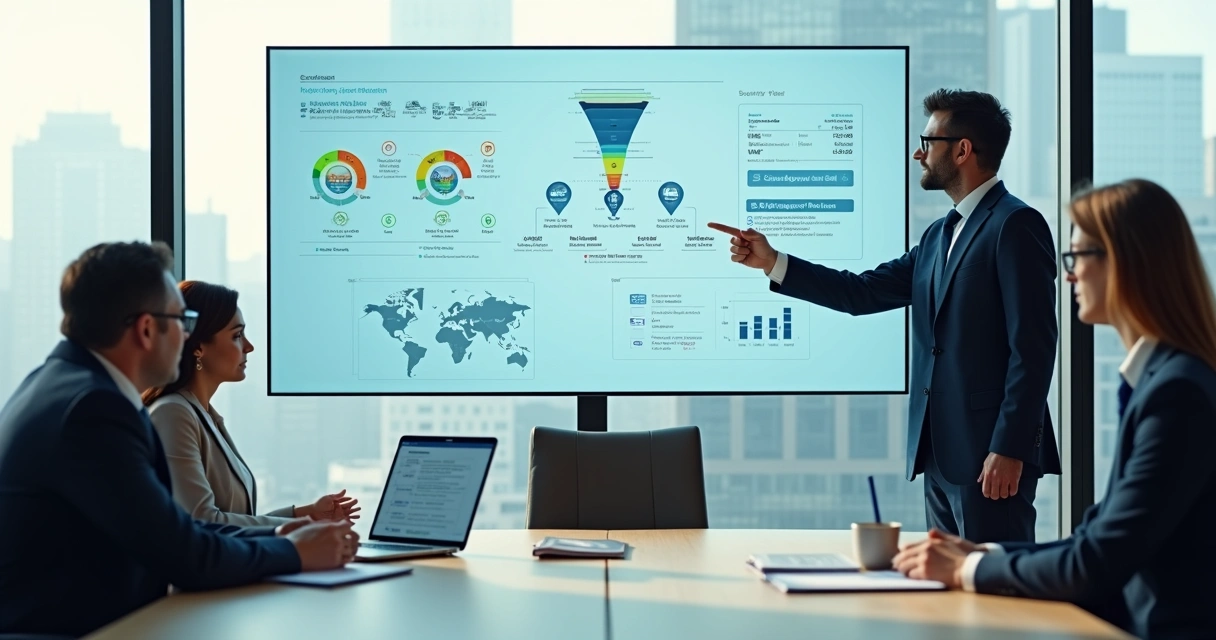
In my line of work, I have come to realize how purchasing the right digital protection is not just a technical task. It is a journey that includes understanding the true risks, interpreting threats, and translating complex solutions into something organizations can actually rely on. This is where cybersecurity sales come into play. Rather than a simple transaction, what I see is an ongoing process of learning, trust, and partnership—one that shapes modern digital risk protection at every step.
How the cybersecurity market keeps evolving
The threat landscape we face today is nothing like it was a few years ago. The sheer scope of digital threats ranges from ransomware to insider risks, with every sector—healthcare, finance, retail, manufacturing—potentially in the line of fire. According to OECD research, losses from cyber incidents have surpassed USD 28 billion since 2020, touching nearly every business worldwide. The ripple effect means that even indirect costs could be as high as 10% of global GDP.
This ever-growing landscape propels organizations to seek out protection that goes beyond tools or software. What I observe is that no "one size fits all" exists. Each organization has its own set of vulnerabilities, compliance demands, and workflows. So, the market has responded by providing tailored solutions, from managed security services to consulting, helping organizations make better choices.

Key cybersecurity services and their impact
When speaking with organizations and sharing in presentations like those of Thiago Vieira, I emphasize that digital protection is about more than just installing software. Here are some services that cut risk meaningfully:
- Security audits: These offer a detailed look at your current protective measures. The goal? Find weak spots before hackers do.
- Penetration testing: Real-world attacks are simulated to see how well systems withstand threats. This uncovers both technical and human vulnerabilities.
- Incident response: Having a plan and team ready to jump in can be the difference between a minor annoyance and a company-crippling disaster.
- Awareness training: Employees are shown how to spot suspicious emails, links, or requests. Often, mistakes happen when people are simply unaware.
- Policy and compliance consulting: Helps organizations keep up with regulations and protect data, especially when handling customer or sensitive information.
Each of these services, when discussed honestly with organizations, drives home where the real risks are and what tailored measures make the most sense.
The skill set and certifications that matter
If you aim to help organizations by guiding them through digital risks, you will need a blend of technical insight and strong communication. In my travels and meetings, I found that some knowledge and proof points really stand out:
- Understanding of threats (malware, phishing, insider risk)
- Certifications, such as Certified Information Systems Security Professional (CISSP) or Certified Ethical Hacker (CEH)
- Experience in explaining technical terms simply
- Ability to listen—to really hear the client’s situation before offering a solution
I've discovered that resilience, a hunger to learn, and empathy are every bit as important as mastering security frameworks or passing a test. This mix turns an average sales person into a trusted advisor.
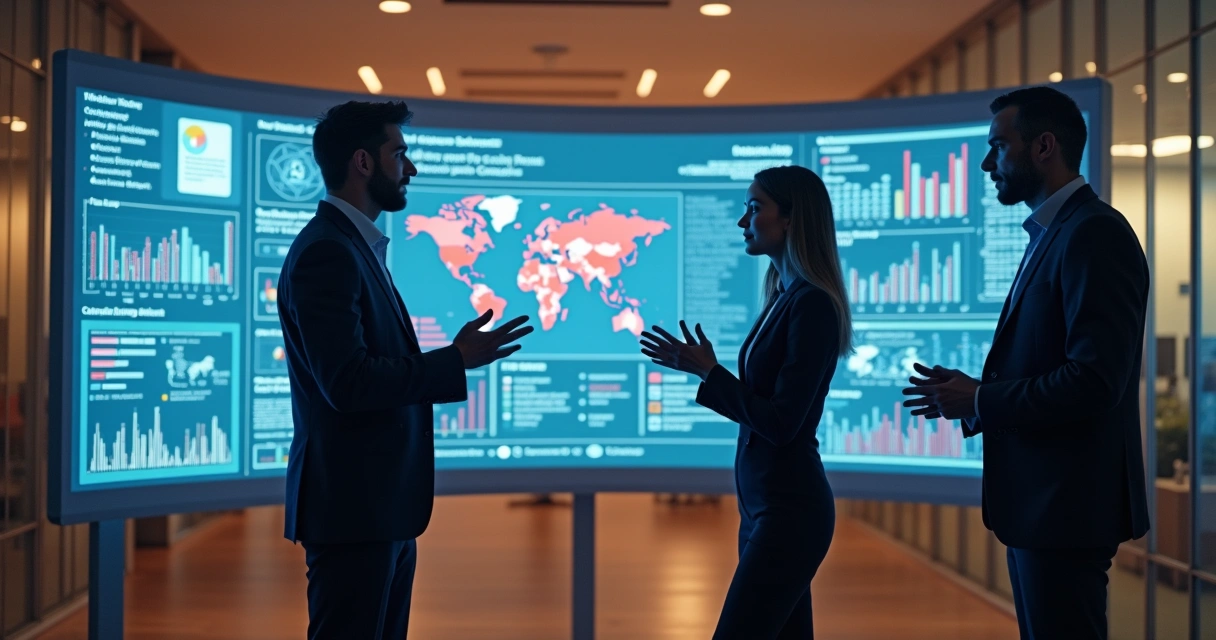
The partnership that protects: sales, experts, and clients
Something I keep noticing is that the process works best when the salesperson is not just a vendor but a partner. Imagine an organization that has suffered repeated phishing attacks. Instead of pitching a ready-made tool, a good advisor sits down with the IT team, listens to business leaders, and works with the technical staff to map out gaps.
True protection begins with honest conversations.
It is this kind of three-way partnership—sales, technical, client—that delivers results. The sales expert uses their skills to translate threats into language the client understands, the IT expert digs into details, and together they create a roadmap that fits the client's actual environment.
Common questions businesses ask before buying protection
When I help organizations, I encounter a set of recurring questions:
- What are our biggest digital risks?
- How do you measure if a solution works in our organization?
- How much disruption will this cause to our daily operations?
- Will this help us with compliance or audits?
- What is the total cost—both up front and over time?
- How quickly can we recover if something goes wrong?
Answering these honestly, without dodging details, lays the foundation of trust. Pointing people to practical resources, like the security content and insights available on search platforms, helps organizations feel in control. In fact, the articles I help produce, including postings on digital resilience strategies, are filled with these practical answers.
Building trust and value in the sales process
Few things are more important in a digital protection deal than trust. Let me share what I have learned works:
- Transparency: Clearly outline what your service can and cannot do.
- Relevance: Focus on industry-specific risks, like how phishing hits finance harder or supply chain attacks shape manufacturing.
- Proof: Provide case studies, reports, or trusted content such as previous cyber incident recovery stories.
- Education: Walk clients through risk, best practices, and real implementation steps. I recall one client shifting from fear to clarity as I explained the testing phases and typical results using simple practical cases.
Effective cybersecurity solution sales hinge on credibility, clarity, and shared goals. When an organization trusts you to guide its digital future, the partnership starts to deliver results far beyond the initial purchase.
Conclusion
Cybersecurity sales do far more than push technology products. They build the bridge between business and safety, teaching organizations how to spot risks, prioritizing the right actions, and continuously adapting to new threats. By combining technical expertise with personal trust, and by treating every deal as a long-term partnership, we help create digital spaces that are safer for everyone involved.
If you or your organization want to take safer steps in your digital journey, learn more from our experience at Thiago Vieira. Start by reviewing our insights or arranging an evaluation—you’ll find the conversation both reassuring and eye-opening.
Frequently asked questions
What is cybersecurity sales?
Cybersecurity sales involves helping businesses find, understand, and invest in solutions that reduce digital threats. It focuses on assessing client needs, educating them about risks, and recommending tailored services or products to protect information, networks, and operations.
How do cybersecurity sales protect businesses?
They connect clients with the right protection based on their unique risk profile, industry, and needs. This might include audits, ongoing monitoring, training, or response plans to ensure a company can avoid or respond to cyber incidents effectively.
Are cybersecurity solutions worth the cost?
Yes. As shown by recent OECD reports, the financial impact of incidents can be severe. The investment in protective measures is usually far less than the potential losses caused by a successful attack.
Where to find top cybersecurity providers?
Start with trusted professionals, educational speakers like Thiago Vieira, or platforms recognized for security expertise. Look for a blend of technical qualifications, transparent processes, and field-tested experience.
How can I choose the best cybersecurity?
Assess your most valuable digital assets, research services that match your risk, and consult with advisors who take the time to listen and explain. A strong partnership—a core focus in all of my work—leads to smarter, more resilient choices over time.