In my journey as a cybersecurity speaker, I’ve seen the Brazilian legal system evolve to face new forms of evidence, especially in the digital world. The process of documenting and protecting the journey of evidence—both digital and physical—throughout an investigation is known as chain of custody. If the weak link here breaks, entire cases can collapse.
This guide shares what I’ve learned about the chain of custody in Brazil. It highlights the main laws, the essential procedures, the mistakes that cost cases, the demands posed by new technologies, and the necessity of cross-field training. As someone who has helped tech teams, legal professionals, and organizations adapt to this reality, I believe that knowing how to handle evidence with care is not optional. It is what justice and safety depend on today.
Understanding the concept: What is chain of custody?
Let me answer with an example. Imagine an officer finds a hard drive at a crime scene. That device could prove wrongdoing, but only if no one tampers with it—and only if we can track precisely who handled it, when, how and for what reason, from the moment it is found until its final destination in the courtroom (or even its disposal). Chain of custody refers to this complete, auditable history of evidence, ensuring its authenticity and credibility in legal proceedings.
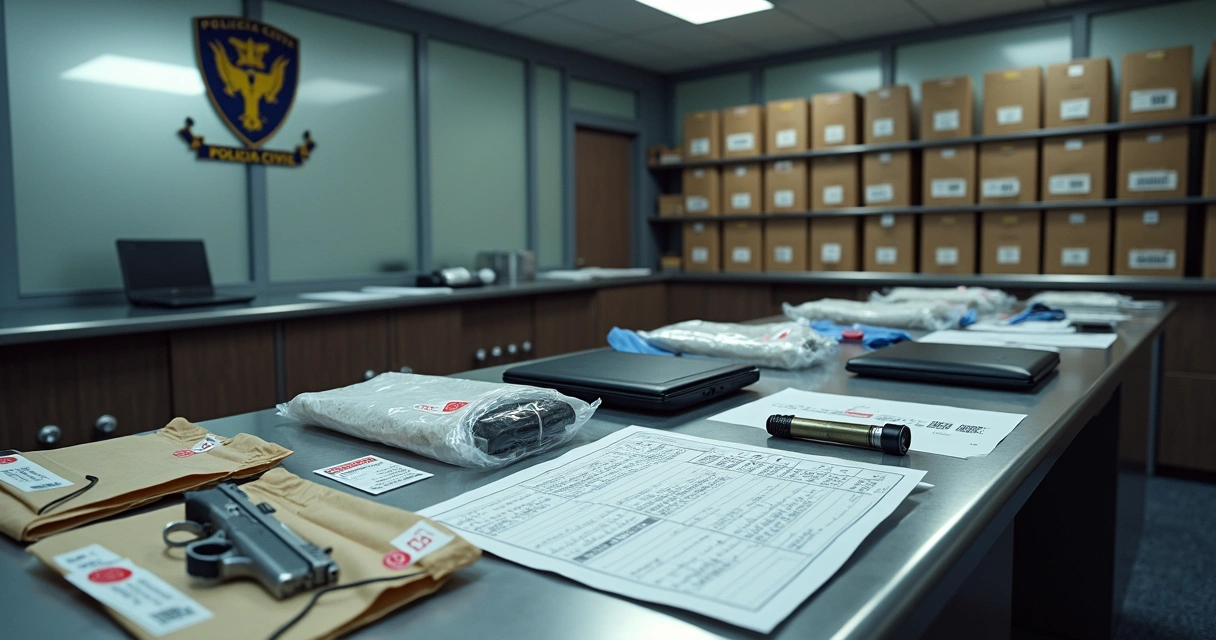
This process is not limited to digital data. It also applies to physical traces such as weapons, documents, or even things like traces of blood. In both areas, any unexplained change, loss, or undocumented handover can cast doubt on the integrity of the evidence. In my professional experience, I see that correct procedures help build trust—not just in the evidence, but in the institutions behind it.
Legal framework in Brazil: The impact of Law 13.964/2019
The chain of custody in Brazil had long existed through best practices and scattered regulations. But in December 2019, Law No. 13.964 (also known as the ‘Anti-crime Law’) formalized and updated the requirements. The Brazilian Ministry of Justice details how the law brought clarity to procedures for collecting, tracking, and handling physical and digital evidence.
Law 13.964/2019 amended the Criminal Procedure Code, creating Chapter VI-D, with articles 158-A to 158-F specifically dedicated to chain of custody. These define key stages:
- Recognition (when and where evidence is noticed)
- Isolation (securing physical or virtual scenes)
- Documentation (written logs, labels, tracking tools)
- Collection and packaging (using appropriate protocols for each evidence type)
- Custody (secure storage, with limited access)
- Transfer (detailed records of each handover between individuals and storage locations)
- Examination and return/disposal (after judicial finality)
The law applies to police, prosecutors, expert witnesses, and any officials handling criminal evidence. It is particularly influential in cases involving cybercrime or high-tech fraud, where material can often be easily altered or erased, and where the Federal Police’s Directorate for Combating Cyber Crimes has reported operational hurdles in maintaining digital evidence validity.
Step by step: How does chain of custody protect evidence?
From my direct interactions with digital forensic teams and law enforcement, I’ve seen how a successful chain of custody requires constant attention at every phase. Here’s a practical look at each phase—for both physical and digital evidence in the Brazilian context.
1. Recognition and isolation
Every investigation begins by identifying what could become evidence. For physical traces, it might be an object or biological material. For digital, it could be a mobile phone, laptop, cloud account, or server. The moment an item is recognized:
- A protocol to isolate the area (or device) is followed to avoid contamination or unauthorized access.
- In the digital field, this can mean disconnecting devices, blocking network access, or freezing accounts.
This initial care, though sometimes overlooked, is one of the main things that courts scrutinize.
2. Documentation: Detailed records make the difference
The value of evidence is only as good as the history you can prove.
I always stress that logs are non-negotiable. Officials must use paper and digital forms to record:
- When and where evidence was found
- Who found and secured it
- The appearance and condition of the item
- What actions were already taken (e.g., photos, labels, sealing)
For digital pieces, hash values (unique cryptographic signatures) are computed and stored to allow any later comparison. If data is copied or transferred, new hashes must be generated and matched.
3. Collection and packaging
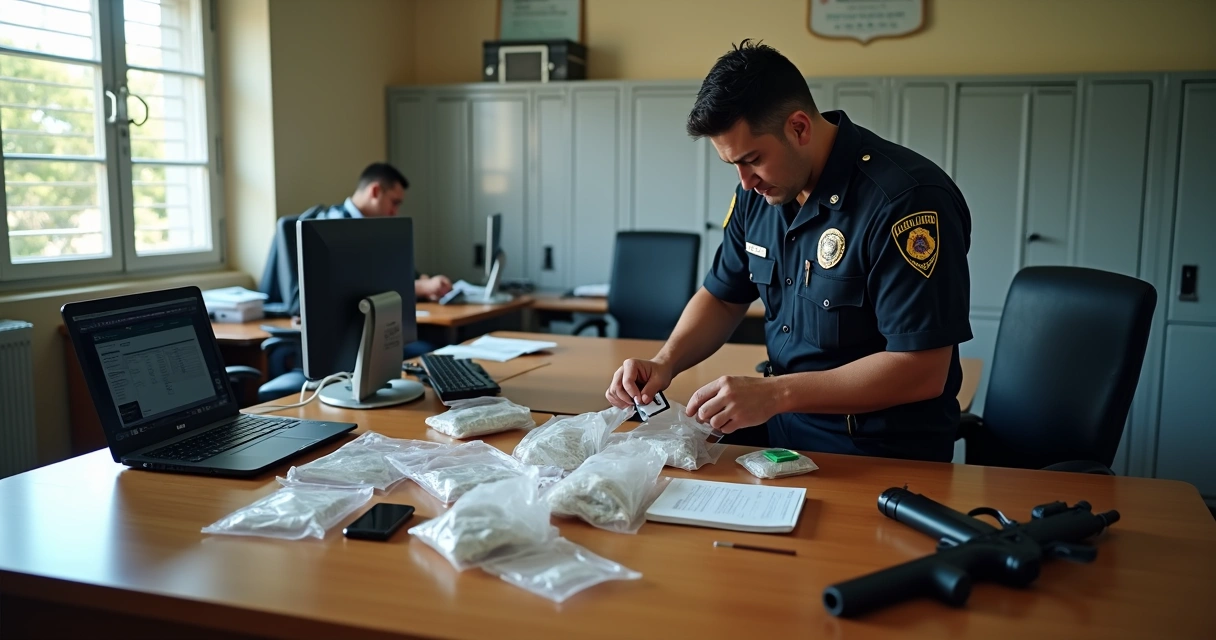
This is a phase where mistakes can be fatal. Physical evidence is usually placed in sealed, tamper-proof bags with appropriate labeling. For electronic traces, special containers defend against electromagnetic interference or temperature damage, and imaging tools are used to create forensic copies. Handling is always based on established checklists that reflect the kind of evidence seized.
4. Storage: Who keeps the evidence—and how?
Custody means not just locking things up, but following strict rules for who can access storage facilities, what procedures must be followed for entry or exit, and continuous logs of all movements. Evidence is protected from environmental harm, vandalism, unauthorized viewing, or accidental loss.
5. Transfer and examination
This phase is especially vulnerable to errors. Every movement of evidence—between offices, teams, or labs—must be logged, noting date, time, person responsible, and the reasons for the transfer. Forensics experts are required to maintain detailed logs when examining evidence, documenting every action, tool used, and observation made (including unsuccessful attempts or failures). The Espírito Santo State Forensic Police emphasizes chain-of-custody workflow like this to guarantee authenticity and integrity of all traces.
The unique hurdles in handling digital evidence
As someone who has helped design protocols and trained staff for digital forensics, I’ve observed the following modern challenges are now shaping the chain of custody in Brazil:
- Data volatility: Unlike physical objects, data can disappear, change, or spread instantly. If someone fails to isolate a mobile phone from wifi, for instance, information may be lost forever.
- Cloud and remote storage: Securing evidence held in overseas datacenters or cloud services adds a major hurdle. Access logs, permissions, and legal warrants all become more complex and can span multiple countries.
- Encryption and anti-forensics: Attackers may deliberately enable full-device encryption or set up apps to erase themselves. Even obtaining a reliable copy can demand advanced technical know-how.
- Scale of data: Seizing a huge virtual drive with millions of files requires strategies for prioritization, integrity checks, and storage efficiency.
Emerging solutions and tech: Blockchain, automation
Some teams have started experimenting with blockchain as a supplemental ledger for evidence handling. Blockchain’s immutable records could, in theory, reduce the risk of tampering. Automated logging tools for cyber forensics are also being tested, to capture every click and command during analysis. While adoption is early, I recommend that those in charge keep an eye on these fields as they develop.
Recommended procedures for telematic and electronic data
Brazilian best practices for collecting telematic (internet traffic, account logs, metadata) or stored electronic data include:
- Immediate documentation of the environment (screenshots, timestamps, network status)
- Use of forensically sound media imaging tools, without booting original operating systems
- Preservation of source hashes and use of write blockers
- Careful management of credentials and passwords found (documenting who views them and when)
- Documenting all extraction, export, or analysis commands with time logs
Following these standards, which Thiago Vieira discusses in his events, has made a difference in ensuring that digital evidence holds up in court—even as legal challenges mount.
Professional responsibilities and protocols
Responsibility for the chain of custody in Brazil sits mainly with investigators, forensic experts, law enforcement officers, prosecutors, and, sometimes, IT professionals.
The key obligations I stress in my presentations and training sessions:
- Strict adherence to all documentation steps, from initial seizure to courtroom presentation
- Immediate reporting of any deviation or incident that may compromise evidence history
- Continuous learning to adapt to new device types, file systems, or hacking techniques
- Preserving privacy and data protection in line with Brazil’s LGPD (General Data Protection Law), when evidence may include personal or sensitive information
Handling sensitive evidence requires a blend of technical rigor and ethical discipline.
Organizations and professionals that ignore new protocols, or treat training as optional, run legal risks. In my experience, learning from real cases and updating procedures often is a good way to avoid repeating damaging mistakes. Companies that seek clarification through resources like specific case studies or industry talks develop a more resilient security posture.
Common pitfalls that can break the chain
In my work with both public and private sector teams, I have witnessed several recurring errors that endanger chain-of-custody processes. The consequences can range from delays to judicial rejection of evidence, or even criminal liability:
- Failure to isolate a digital device, allowing network updates or remote erasure
- Poor documentation: missing logs, unclear role assignments, unsealed containers
- Transferring evidence without the correct paperwork or signatures
- Using non-forensic software or copying tools that modify data during examination
- Improper storage (e.g., exposure to magnetic fields, excessive heat, or unauthorized viewing)
- Ignoring standard operating procedures, especially for cloud-based or hybrid environments
Preventing these pitfalls starts with clear written policies, regular drills, and quick access to expert legal and technical advice. More tips about avoiding risks are shared in my incident response articles.
The need for standardization, collaboration, and training
The most robust Brazilian investigations today are not those with a single hero or expert, but those where police, forensic teams, IT and legal departments work together under shared standards. When specialists communicate openly, they can create “playbooks” that cover every scenario—be it a server room breach or a cyber fraud takedown.
I’ve seen positive results when training includes both technical simulations and legal updates. Using real-life examples, such as those presented in educational events, helps prepare all parties for what to expect and how to react. Exploring material from different perspectives fosters bias-free analysis and faster, more effective responses.

Conclusion: Strengthening evidence, strengthening justice
As our digital world grows, following each step of the chain of custody in Brazil does not just serve technical needs. It underpins trust—between citizens, organizations, judicial authorities, and the public. Every case with a clear, auditable record of evidence moves us closer to fair and impartial decisions.
I have seen that ongoing training, smart use of technology, and a shared culture of integrity are the only ways for Brazil to handle future challenges in forensic science. Thiago Vieira’s project aims to empower people and organizations with information, so they can protect their operations, comply with evolving standards, and keep justice within reach. If you want more educational articles, speaker sessions, or practical tips, visit my profile and search for relevant content on our platform. Let’s make every investigation count.
Frequently asked questions
What is chain of custody in Brazil?
In Brazilian investigations, chain of custody is the complete documentation of evidence from discovery to presentation in court, ensuring no unauthorized alteration or loss occurs along the way. It applies to both physical and digital traces and has a legal basis in Law No. 13.964/2019, which details each phase from collection to storage and disposal.
How is digital evidence handled in Brazil?
Digital traces are isolated, documented, and preserved using forensically sound imaging tools, cryptographic hashes, and approved packaging. Careful logging is mandatory for every step, and any access to or transfer of data must be recorded. Professionals also need to protect privacy rights in line with Brazil’s LGPD.
What are the steps for physical evidence chain?
Handling physical traces involves recognizing and isolating the object, documenting its condition and collection, packaging it securely, storing it in controlled environments, logging every movement, and finally presenting or disposing of it according to court orders. Each action is backed by paperwork, digital logs, and sealing protocols documented by Brazilian law.
Who is responsible for maintaining chain of custody?
Police, forensic experts, lab technicians, prosecutors, and sometimes IT staff are responsible. Each person who handles evidence must sign off on its receipt and transfer, and follow protocols at all times to prevent errors or tampering. Supervisors and institutional leaders also play a role in continuous training and policy review.
Why is chain of custody important in Brazil?
Without a clear history of actions and authorized hands, courts may reject evidence or dismiss cases. Chain of custody safeguards justice by guaranteeing authenticity and reliability, especially vital with the new types of digital traces seen in today’s investigations.