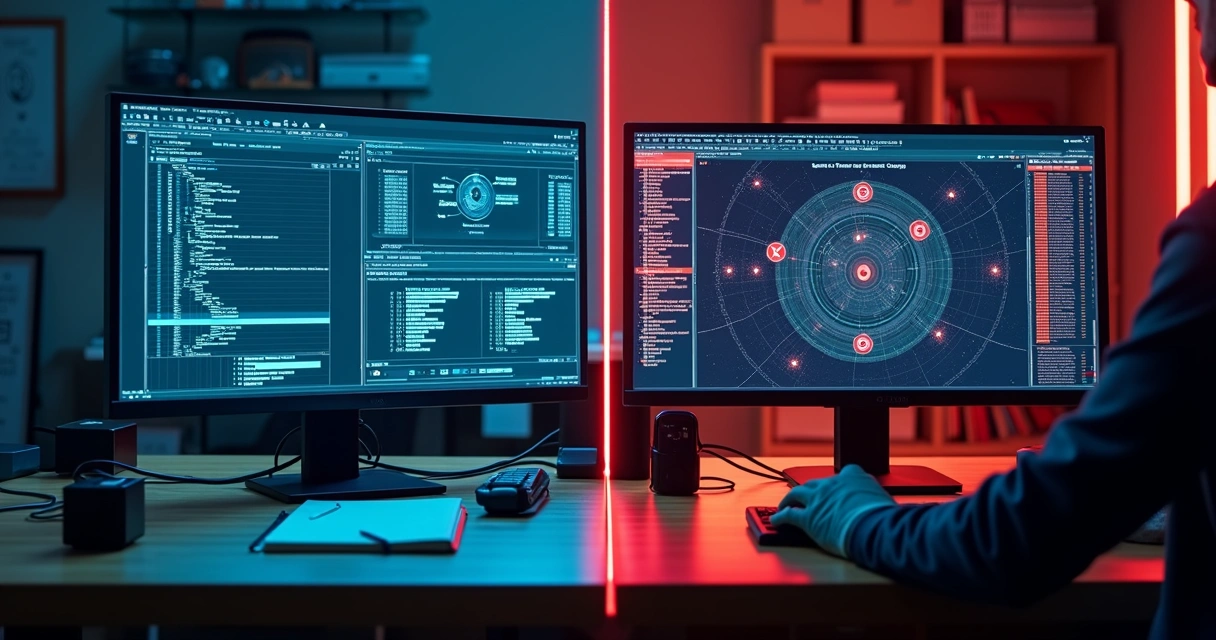
Multi-factor authentication (MFA) became a beacon of hope in the fight against growing cyber threats. By 2026, it remains a staple in digital protection. Yet, in my daily work advising organizations and speaking at cybersecurity events, I notice a concerning trend. The same security measure trusted to keep us safe—MFA—continues to fall short. The promise of extra layers hasn't removed the risk. Instead, new weaknesses have crept in, some more subtle and dangerous than ever.
Setting the scene: What MFA promised
Back when passwords were the only thing between attackers and sensitive data, breaches were almost routine. Adding a simple text code, a phone alert, or a fingerprint changed the game. Multi-factor authentication meant attackers needed more than one piece of information. The headline was clear:
MFA would stop hackers in their tracks.
For a while, I saw real results. Theft of accounts slowed. People felt safer, and so did businesses. In many of my talks, such as those in the Thiago Vieira series, I walked professionals through these improvements. MFA became a basic requirement, not just a luxury.
What changed in the digital world?
The past few years brought stunning advances in attack methods. Artificial intelligence and automation gave cybercriminals new tools. The targets changed as well. Today, attackers go after people’s phones, intercept messages, and trick users into sharing secrets. MFA became a moving target. Here’s what I’m seeing firsthand:
- Threats evolved faster than MFA technology.
- People’s trust in MFA backfired as attackers exploited their behavior.
- Devices and apps meant to protect us became a weak link themselves.
Where does MFA break down?
If you ask most technology professionals, they’ll still say “MFA is better than nothing.” But “better than nothing” isn’t good enough any longer. In my research and many post-incident reviews, I notice common failure points:
Attackers target the “second factor”
When solutions rely on something you have, such as a phone, attackers adapt. They clone SIM cards, intercept push notifications, or even trick support centers into letting them in.
Phishing gets smarter
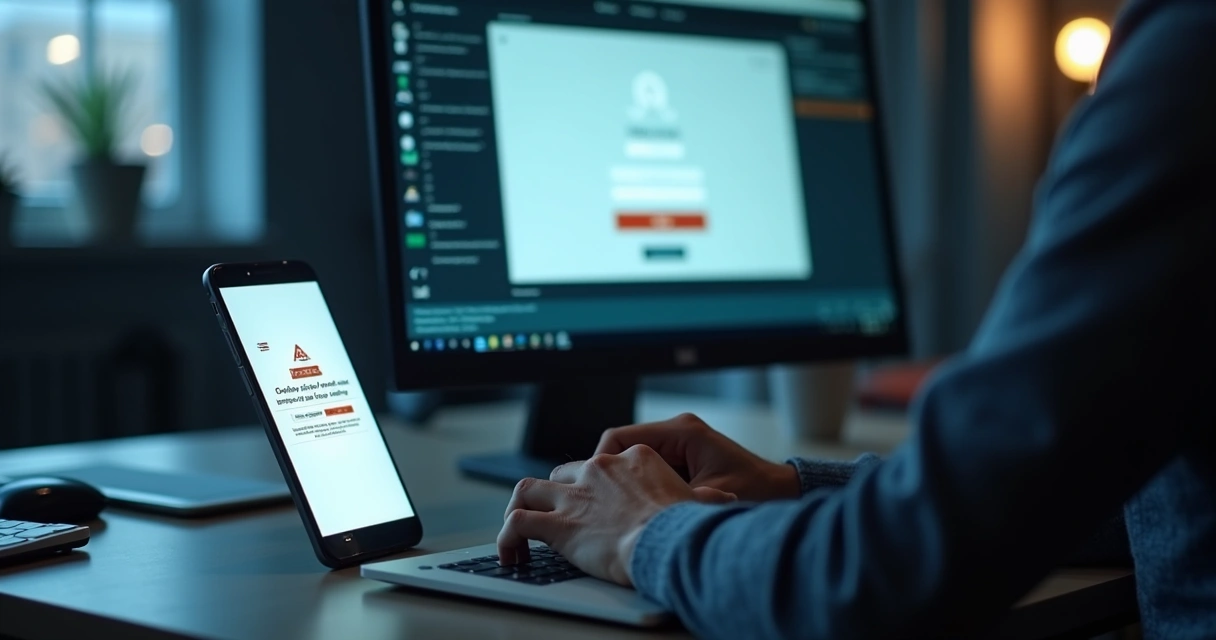
Modern phishing doesn’t just go after passwords. I’ve seen attacks that prompt users to enter their second-factor codes into fake websites. Sometimes, victims receive fake login alerts and approve them without thinking.
Too many methods, too little education
Organizations roll out tokens, apps, biometric readers, SMS, emails—the list grows. But if employees can’t tell the difference between a real prompt and a fake, the method doesn’t matter. I shared real stories of this problem at an international conference, reinforcing a message I’ve often seen at Thiago Vieira’s educational events.
The role of social engineering
If you have attended one of my talks or read posts on the Thiago Vieira blog, you know I believe social engineering is the silent enemy. Attackers are no longer interested only in breaking code. They study habits, routines, and even the language people use online. MFA systems now fail when:
- Users approve logins too quickly out of habit (“push fatigue” attacks).
- Criminals impersonate IT support and trick people into bypassing protections.
- Companies lack processes to verify requests before acting.
One striking example came from a financial company’s internal survey. Staff admitted to approving a dozen login requests a day, never realizing which were malicious.
Technology gaps that won’t close
I hear this often: “We have the best app, so we’re safe.” But even in 2026, small gaps remain. Vulnerabilities in mobile apps, phone number reassignments, backup code theft, and cloud configuration errors all offer a way in. Attackers only need one crack to get through. For every new MFA feature, new attack surfaces show up, often in surprising places.
One of the best ways to see these gaps is through real-world case studies, a method often discussed in security training resources. Lessons from these incidents make the risks feel real rather than theoretical.
Human nature and convenience
Security only works when it fits how people actually work. MFA systems that are too slow or confusing frustrate users. When that happens, people invent workarounds—writing codes on sticky notes, copying backup keys to cloud storage, forwarding text messages. Suddenly, all the extra layers collapse back into one weak password. In my experience, the desire for convenience is one of the toughest risks to fix.

Why do so many still trust MFA?
Despite these problems, MFA’s reputation endures. Partly, it’s habit. People believe it’s good practice, and often it is. But I think there’s another reason: a lack of clear, day-to-day evidence of failure. Most breaches aren’t advertised. Unless someone explains the risks in simple, practical terms (as I do in the Thiago Vieira conference series), the illusion holds.
I encourage anyone reading to visit our searchable digital risk database to see just how many new breach types are being documented each month.
What is the future of authentication?
While MFA won’t disappear, it is clear to me that it’s no longer a standalone solution. Here’s what the future looks like from my perspective:
- Authentication must be paired with constant monitoring and quick response plans.
- Behavior-based alerts (spotting unusual login times or places) will become standard.
- More training focused on human decisions, not just the technology.
- Systems that “learn” and adapt to new attacks faster than criminals do.
Strong authentication lives not just in better tools, but in people who ask questions, hesitate before clicking, and take the time to think before approving.
Conclusion: What I recommend in 2026
Despite its flaws, I still recommend using multi-factor authentication. But I never stop there. Continuous education, updated security policies, and regular risk reviews are needed. MFA is only as strong as the people and processes around it. If you want to be truly resilient, combine MFA with security awareness, incident drills, and a supportive culture that makes it easy to say, “I’m not sure—let me check.”
If you are ready to bring these ideas to your organization, explore how Thiago Vieira’s lectures and resources can guide your team. Visit the main site, check past events, or reach out to learn how to strengthen your defenses from both a technical and human angle. The risks will keep evolving, but together, we can prepare more people and organizations to respond with confidence.
FAQ: Multi-factor authentication in 2026
What is multi-factor authentication?
Multi-factor authentication (MFA) is a security process where users must provide two or more forms of identification to access a system or service. This could be something they know (like a password), something they have (like a phone), or something they are (like a fingerprint). Including more than one factor makes unauthorized access much harder than passwords alone.
Why does MFA still fail today?
MFA often fails because attackers adapt their methods faster than defenses improve. They target the weakest point—often the human element or a poorly protected second factor. Common reasons include phishing attacks, social engineering, SIM card swaps, and users approving fake requests out of habit.
How can hackers bypass MFA?
Hackers use several methods to bypass MFA. Some common ways I’ve seen include:
- Phishing attacks that steal both passwords and the second factor by tricking users into entering codes on fake websites.
- Social engineering, where attackers impersonate support staff to convince users to give up verification codes.
- SIM swapping, intercepting SMS or calls sent for authentication.
- Compromised devices, such as malware on phones, which forward codes or approve logins silently.
Is MFA still worth using?
Yes, MFA is still much safer than using a password alone, as it blocks many basic attacks. However, it should be part of a larger security approach that includes user education, monitoring, and regular reviews of all procedures.
What are safer alternatives to MFA?
Today, some alternatives are being tested, like hardware security keys, biometrics, and authentication systems that analyze user behavior. Still, the key improvement is combining multiple protections: smart training, real-time monitoring, and flexible response plans. No single tool is perfect—layering them together lowers risk even more.