The first time I encountered a digital dispute involving a block of code, I didn’t realize how deep the field of forensic code analysis really was. Decades later, I understand that dissecting computer programs for legal, security, and investigative purposes forms a field all its own. It is one where technical rigor and legal precision meet in every line of source text.
This guide is my answer to the most persistent questions and myths about this discipline. I want to show how computer code can be scrutinized for hidden clues, authorship, copied fragments, and even malicious lines with vast real-world consequences.
What is source code forensics?
Source code forensics is the examination of code to support legal, security, or organizational investigations. I see it as a blend of legal reasoning, programming expertise, and detective work. The methods aim to uncover the origin, modifications, uses, and potential threats inside computer programs, often when litigation, breaches, or accusations of digital theft are on the table.
It is as relevant for international corporations as it is for individuals. In my presentations on cybersecurity, such as those with Thiago Vieira's project, I help others see the far-reaching impact of these analyses for protecting assets, intellectual property, and reputation.
Why is code analysis used in legal disputes?
When I’m called to advise or provide an opinion in a case involving code, the motivations usually fall into clear areas:
Intellectual property disputes (copyright, patents)
Trade secret theft allegations
Breach of contract or licensing terms
Software plagiarism and code copying
Cybercrime and malicious activity attribution
Legal demands on source code are stricter than ever. Plaintiffs and defendants must demonstrate, through evidence, whether two programs are illegally similar or whether someone knowingly embedded harmful components.
The techniques I use for forensic review are designed for objectivity and repeatability, so they can withstand scrutiny in court. The final outcome can mean millions in settlements or the exoneration of a wrongly accused developer.
Forensic code analysis turns technical details into legal facts.
How forensic code investigations unfold
Every investigation, in my experience, follows a process. Yet, the details differ, depending on whether the dispute is about security, intellectual property, or internal policy violations. Still, certain patterns keep repeating.
Primary objectives
I am always focused on a few core goals during investigation:
Establishing links between suspicious, stolen, or proprietary code and its origins
Identifying copied, plagiarized, or illegally acquired components
Uncovering authorship or code signatures
Finding traces of malware, backdoors, or deliberate weaknesses
In essence, the main objective is to turn digital traces into evidence that can stand up in court or explain a breach clearly to leadership.
Typical steps
-
Initial scoping (defining questions, evidence requests)
-
Data collection and preservation of source code and related digital assets
-
Static and dynamic analysis (reviewing code as-is and running it)
-
Comparison and pattern search against reference repositories or versions
-
Authorship and timeline analysis (via version controls and metadata)
-
Reporting, statement preparation, and, if required, testimony
A clean chain of custody is absolutely necessary. If a line of source is altered, evidence may be thrown out.
Static vs. dynamic code examination
I am often asked if I read code “by hand” or rely on tools. The answer is: both. Conceptually, there are two main styles of examination:
Static analysis
Static review means going through the code without running it. This can include:
Manual review (reading individual files for function, variable and comment clues)
Automated syntax and structure analysis (using tools to flag suspicious patterns or familiar code snippets)
Dependency and library tracing
Similarity search with known code bases or fingerprints
During static review, I search for signs of plagiarism (identical comments, odd variable names, or unusual imports) as well as potential “backdoors” or harmful logic.
Dynamic analysis
Sometimes, static reading isn’t enough. If I want to see how code behaves in real time, for example, to catch malware activating only during a specific network event, I turn to dynamic methods. These involve:
Setting up controlled environments (sandboxes or VMs)
Observing process activity during execution
Capturing system calls, file access, or network traffic
Measuring output versus expected behavior
This technique was at the heart of a case I studied where suspected ransomware only activated when a certain user was logged into the system, evading all traditional scans until observed carefully in action.
How code comparison and plagiarism detection work
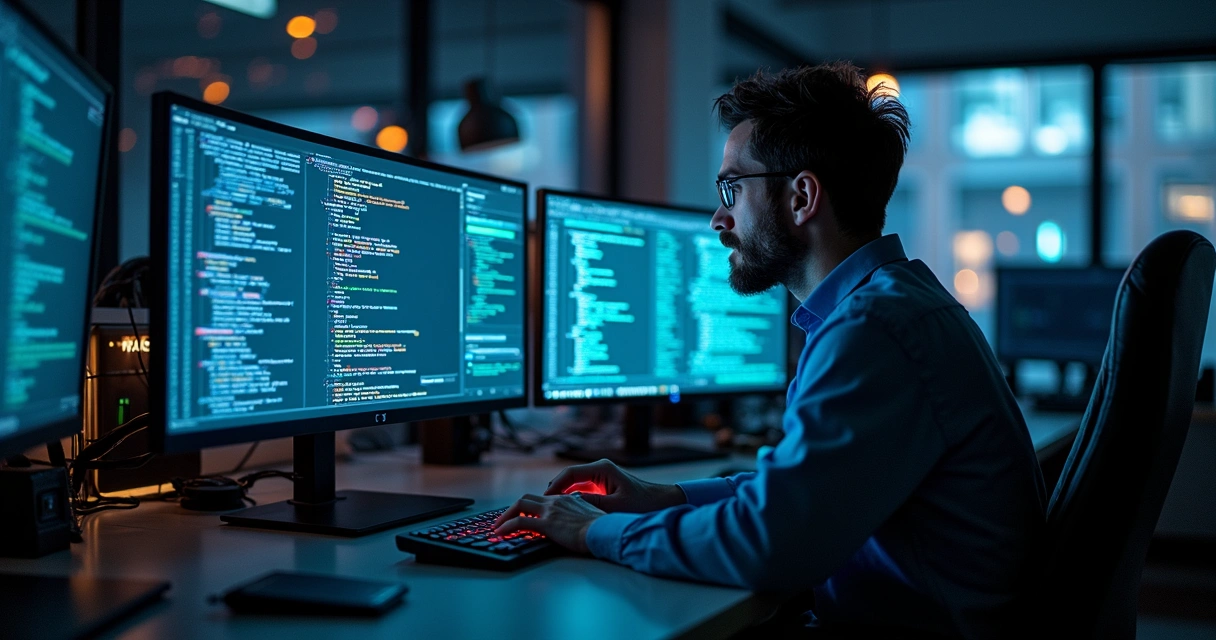
At the center of many legal conflicts is the simple question: Did someone copy code?
I use several methods to answer this, some ancient, some powered by the latest algorithms:
Hash comparison: By hashing files, even small differences show up.
Token-level analysis: If the logic is obscurely changed but the underlying structure remains, this method helps spot copycats covering their tracks.
AST (Abstract Syntax Tree) examination: I often break programs into their fundamental “tree” shapes. Even when variables change, the overall structure can reveal duplication.
Comment and whitespace similarity: Remarkably, copying often leaves comments nearly untouched, providing a subtle but powerful fingerprint.
Some investigations, like those cited by studies from the University of California, Riverside on large-scale malware repositories (https://www.usenix.org/conference/raid2020/presentation/omar), have shown that machine learning can help flag massive plagiarism or malware re-use across thousands of codebases.
A key best practice is to compare not just isolated files, but the entire “ecosystem”, including configuration files, build scripts, comments, and even misspellings.
Authorship attribution in code investigations
It amazes many people when I explain that, much like handwriting analysis, we can often trace a piece of code back to its creator. The techniques include:
Reviewing commit histories and author metadata from tools like Git or Mercurial
Searching for stylometric “fingerprints” (variable choices, function organization, indentation preferences)
Language or regional spelling clues in comments
Examining code patterns typical of specific organizations or open-source communities
Authorship analysis is rarely 100% definitive on its own, but when combined with other findings, like environmental artifacts and access logs, it strengthens a case. I recall a case where inconsistent author emails and familiar spelling errors gave away an impersonator who had cloned a legitimate repository.
Detecting and analyzing malicious code
Uncovering dangerous routines or hidden malware is one of the areas I find most challenging. Modern techniques blend automation with expert review. My own process usually goes like this:
-
Establish baseline expectations (what is the software supposed to do?)
-
Scan for suspicious constructs, such as obfuscated scripts, hidden payloads, or odd network calls
-
Check against malware families or patterns captured by projects like those described in studies from the University of California, Riverside (https://www.usenix.org/conference/raid2020/presentation/omar)
-
Run code in a testbed to see if undesirable actions occur
-
Document all steps and findings for downstream incident response or law enforcement
Interestingly, in many breaches, attackers will reuse code snippets or comments, making their work detectable if you know what to look for.
Every piece of code tells a story. Some stories warn us of coming threats.
Version control and history auditing
Strong cases are built on more than just code snapshots. I consistently rely on version control systems (like Git, Subversion, or Mercurial) to reconstruct the entire development history.
Auditing these histories, I can often pinpoint when a function was introduced or changed, who authored it, and whether a controversial change aligns with security incidents or legal violations.
Signs that raise suspicion in these audits include:
Sudden mass deletions or insertions before resignations or terminations
Commit messages that immediately precede a cyber incident
Metadata inconsistencies, like jumps in timestamps or questionable author logins
I recommend performing automated and manual review. While tools can surface issues, only someone deeply familiar with the expected project timeline can interpret if a change reflects innovation or malfeasance.
Evidence collection, handling and preservation
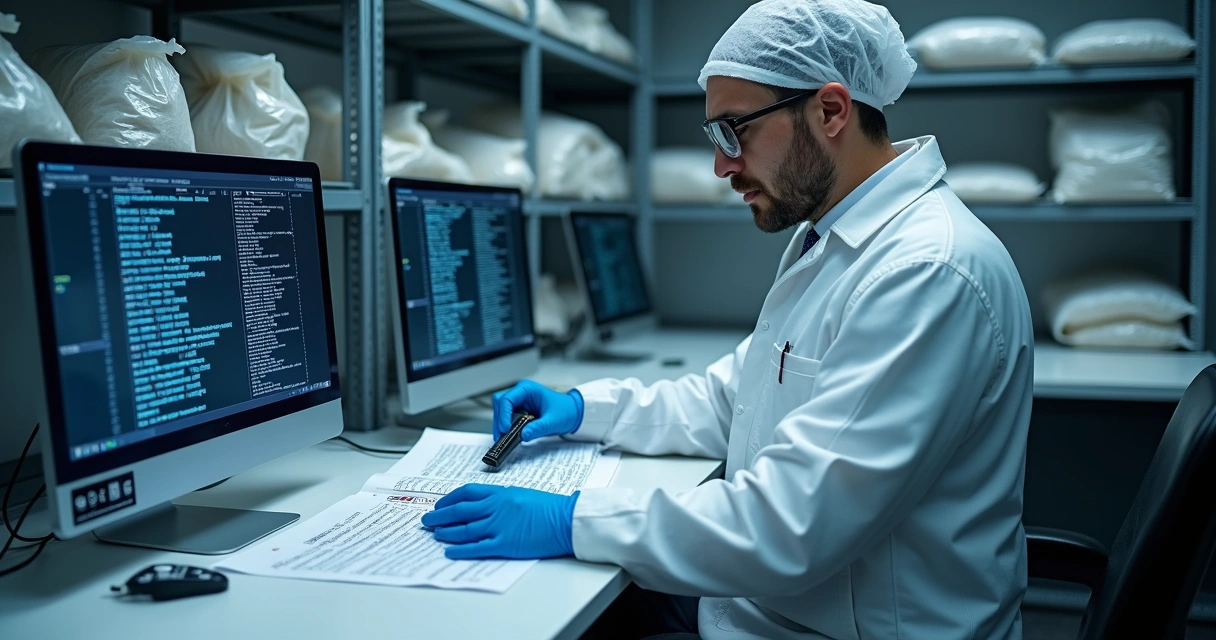
The chain of custody for digital evidence is more fragile than most realize. From the moment I’m entrusted with code, my actions are guided by procedures intended to preserve admissibility and credibility.
Best practices for forensic preservation include:
Immediate, read-only copies of code repositories and related files (never altering the source directly)
Validating cryptographic hashes for each file/version checked in and out
Documenting every transfer or access event
Storing evidence in controlled environments (preferably under multiple access controls and audits)
Maintaining clear, written procedures for every step
When disputes erupt regarding the authenticity of code, missing or altered logs can cause the entire evidence pool to be dismissed.
Reporting forensic analysis findings
Clear and structured reporting is at the core of communicating findings from any serious analysis. My deliverables, whether for executives, attorneys, or courts, are usually designed with three guiding questions in mind:
What was examined?
How was it examined?
What objective facts and risks did we discover?
Often, the process involves:
Summarizing scope and evidence chain
Detailing tools and methodologies
Providing annotated examples (screenshots, directories, code snippets with commentary)
Including relevant comparative data and timelines
Establishing a confidence level and identifying unknowns
Well-written forensic reports avoid speculation, focus on facts, and make clear what remains unanswered or ambiguous.
It is common to supplement written findings with oral or in-person explanations when findings are technical. In fact, this is a responsibility I take seriously, and I advocate for it often in my talks with the Thiago Vieira project.
Expert testimony and supporting litigation
Testifying in a legal environment is different from most technical presentations. The audience is usually not technical; the stakes are high. My primary role becomes that of a trustworthy, neutral educator for the judge and jury.
Key contributions from expert witnesses like me include:
Translating technical jargon into language that lawyers (and a non-technical jury) can grasp
Supporting or challenging the inclusion of specific files, functions, or logic as evidence
Clarifying the likelihood of authorship or plagiarism
Outlining possible security risks and consequences
Exposing mistakes or inconsistencies in opposing expert reports
My testimony is never just about facts, but about how those facts connect to the case at hand.
The need for clear and unbiased testimony is why many organizations invite speakers, such as in my experience with the Thiago Vieira initiatives, to explain forensic standards and case precedents to legal teams in advance.
Practical applications in the corporate environment
While legal battles often grab the headlines, internal corporate investigations are just as common. I’ve worked with organizations who:
Suspect a former employee took source code to a competitor
Need to prove their software is original for potential buyers or IPOs
Have discovered unexplained gaps in their version control histories
Are preparing for audits or regulatory assessments focused on IT risks
In these settings, the requirements mirror those faced in court: neutrality, documented process, thorough evidence handling, and clear reporting.
In business as in court, trust is built on transparency and clear answers.
Common challenges in forensic investigations
As much as forensic code analysis helps, several persistent challenges shape every engagement:
-
Obfuscation and anti-forensic measures: Modern attackers and even ordinary developers sometimes manipulate code (renaming variables, adding obfuscation) to throw off analysis. These tricks can delay an investigation or muddy its outcome.
-
Loss or tampering of evidence: If logs are deleted, commits are rewritten, or code is lost before secure capture, irreplaceable information may be gone forever.
-
Lack of source availability: Sometimes, only binaries or partial codebases are provided, making it tough to reconstruct the full story.
-
Volume and complexity: As codebases reach millions of lines, each finding must be prioritized and validated. Automation supports, but does not replace, expert review.
Mitigating these challenges takes organization-wide awareness, robust IT governance, and continuous learning. It’s a topic I cover in both my conference talks and in posts published through the Thiago Vieira project.
Best practices for effective code forensics
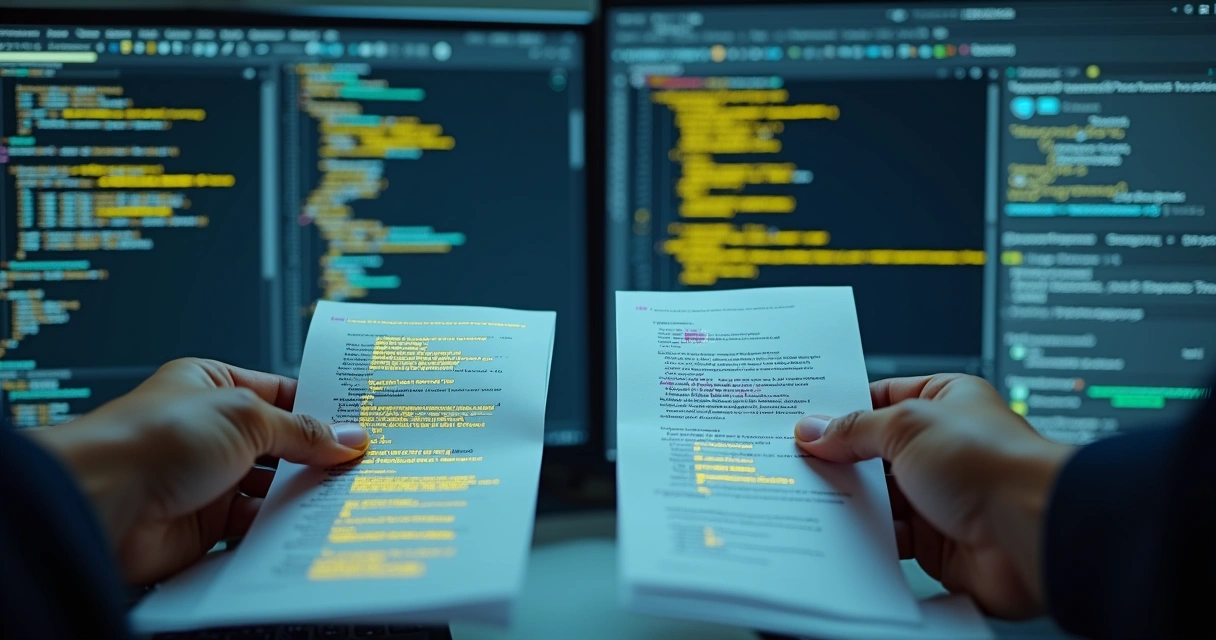
Experience (and a few hard lessons) has taught me the following guidelines for any code examination:
-
Always assume the code you are handed may be incomplete or altered. Validate every version.
-
Preserve data integrity from the start. Secure, read-only snapshots and hashed archives are your best friend.
-
Document your steps, not just what you found, but how and when you found it.
-
Never ignore context. A line that means nothing in isolation may reveal intent with supporting evidence.
-
Keep learning. I routinely learn from studies, evolving threats, and ongoing debates about ethical standards. For example, emerging methods such as those demonstrated through SourceFinder at the University of California, Riverside (https://www.usenix.org/conference/raid2020/presentation/omar) have inspired me to refine my toolset for malware detection and large dataset analysis.
Each best practice flows back into the goal I carry into any investigation:
Find facts, guard integrity, and explain your process with clarity.
Connecting code investigation to digital resilience
As a speaker for Thiago Vieira’s cybersecurity project, I am often asked how source code investigations contribute to the bigger picture of digital preparedness. My answer is always that code review is not separate from organizational resilience, it is at the heart of it.
When companies, teams, or individuals can trust their intellectual assets, defend against accusations, and answer timely questions about their technology, they are better equipped to withstand threats and adapt to the evolving digital landscape. You can see some of my philosophy about this at my author profile.
Resources, ongoing knowledge, and community
Learning never ends in this field. From new research, such as the supervised-learning methods for identifying malicious code, to practical insights shared in my cybersecurity case studies, keeping up with developments ensures readiness for new challenges.
If you want context on emerging threats or to deepen your knowledge through articles and discussions, my searchable article database offers a curated archive of digital security and legal topics.
Similarly, connections between legal concerns and technical methods are explored in posts on intellectual property and practical digital risk mitigation. This bridge between theory and application has shaped both my professional talks and my commitment to secure, transparent business practices.
Conclusion: The way forward for professionals and organizations
Source code investigation is not just about solving current threats, it sets the stage for trust, compliance, and safe digital business in the future.
Having a repeatable, objective approach for examining code pays dividends beyond the courtroom. It can defend a company’s reputation, shut down cyber threats before they escalate, and signal to partners and customers that you are prepared for whatever emerges next.
For organizations ready to build digital resilience, or for individuals interested in deepening their understanding, I invite you to connect and learn more about Thiago Vieira's offerings and expertise. Secure your future by knowing the right questions to ask, and how to get trustworthy answers from your technology and your teams.
Frequently asked questions
What is source code forensics?
Source code forensics is the process of systematically examining computer programs to uncover evidence or trace incidents in legal, corporate, or security contexts. It can cover everything from detecting unauthorized code copying and establishing authorship, to tracing malicious activity or understanding how a system was compromised. The work blends legal knowledge, programming, and investigative procedure, supporting organizations and courts with objective digital evidence.
How does code forensics help legal cases?
By examining code for patterns, similarities, authorship, and intent, forensic specialists provide the factual basis for legal arguments around copyright, trade secrets, contract breaches, and fraud. Digital code analysis supplies concrete evidence that supports or challenges claims in intellectual property and cybercrime disputes, helping the court make well-informed decisions.
Can source code analysis find security risks?
Yes, source code investigation is one of the best methods for detecting security risks such as backdoors, malware, and vulnerabilities. By reviewing static and dynamic aspects of programs, specialists can identify hidden or suspicious routines, exposing threats before they can cause serious damage.
What tools are used for code forensics?
I use a combination of manual review, specialized software for syntax and structural comparison, version control auditing tools, and dynamic analysis sandboxes. There are also advanced machine learning tools that can spot code plagiarism or malware reuse, as seen in research from the University of California, Riverside (https://www.usenix.org/conference/raid2020/presentation/omar).
How much does code forensics cost?
The cost varies based on the complexity and scope of the investigation. Factors impacting the cost include: size of the codebase, urgency, expert involvement, tools required, and how detailed the engagement is (court testimony will increase the price). Most organizations view forensic expenses as an investment in legal protection and security risk management.