In my years as a cybersecurity speaker and consultant, I have seen first-hand how digital forensics is shaping not just investigations but also legal battles in the tech and business worlds. The practice of forensic source code analysis stands at the crossroads between law, software engineering, and incident response. Today, I'll bring my real-world perspective on what it means to examine software source code for legal and investigative purposes—covering the steps, legal risks, and practical advice that organizations need to protect themselves and respond effectively during disputes.
Understanding forensic source code analysis
Forensic source code analysis is the detailed examination of computer software’s core instructions—all the text and logic written by developers—to answer legal, technical, or investigative questions. It is not just about reading code, but also proving what that code does, how it works, who wrote it, and whether it copies or infringes on another’s intellectual property.
In my experience, this method is called upon during:
- Software copyright and patent litigation
- Intellectual property theft investigations
- Investigating security breaches and cybercrime
- Due diligence during mergers or acquisitions
- Compliance checks for open source software
At its core, this discipline bridges highly technical findings with plain-language explanations needed in courtrooms and boardrooms alike.
I have watched cases swing on a single well-documented line of code, making this field both high-stakes and precise.
Where forensic source code analysis applies
Through the lens of real-world legal disputes and cyber investigations, the value of code analysis comes into sharper focus. In areas like software patent disputes and data breach cases, investigators turn to the original source to determine both the facts and intent behind digital actions. The Stanford Non-Practicing Entity (NPE) Litigation Database has tracked tens of thousands of cases where patents and code form the backbone of each argument.
Organizations may need source code specialists in several situations:
- When dispute arises over who owns, developed, or modified certain software components
- If code theft or unauthorized copying is alleged by either side
- To investigate malware, backdoors, or evidence of hacking within an application
- When regulatory bodies require proof of software safety, compliance, or provenance
This is why I spend time on stage, as Thiago Vieira, explaining the immense weight these analyses carry—not just for IT teams, but leadership and legal advisors as well.
The main steps of digital code investigations
Getting to courtroom-proof truth from source code requires both technical rigor and tight processes. Here's the sequence I’ve followed on most successful cases:
Planning and scoping
Every analysis begins with clarity on purpose and limits. Parties agree on:
- What software or components are in scope (which files, versions, modules, etc.)
- Legal or investigative questions, such as “Has code X been copied?” or “Does system Y have unlicensed open source?”
- Who can access or review the material—for example, strict controls to avoid leaking confidential code
Precise planning is the best way to avoid overlooking evidence or overstepping legal permissions.
Collection and preservation of evidence
Next comes securing the code and related materials. This step focuses on:
- Creating verified, read-only copies (hashing to guarantee integrity)
- Documenting sources, times, and chains of custody
- Securing logs, emails, version history, or backup files that relate to the code’s journey
Small lapses here can make or break a legal argument, so I double and triple check documentation.
Technical analysis and code comparison
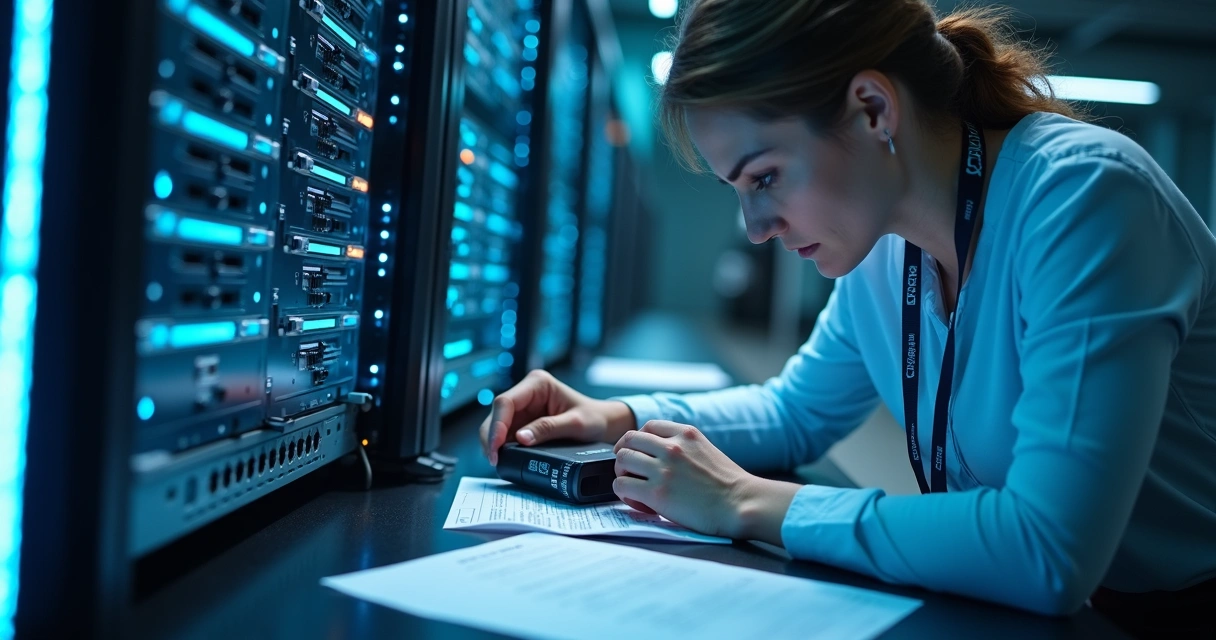
This is the heart of the matter—where software forensics meets engineering. The main approaches I use include:
- Static code review: Looking at the code “at rest,” without running it. This can include line-by-line reading with the help of tools or manual inspection.
- Dynamic analysis: Observing the program in motion—how it behaves during execution, sometimes in an isolated “sandbox”.
- Automated code comparison: Using specialized tools to compare large codebases for matching logic, structure, or comments—often used to spot copied blocks or subtle plagiarism.
- Detecting license or patent infringement: Mapping code patterns and embedded notices against license databases and published patent claims.
Sometimes, the simplest evidence is a literal copy-pasted function; other times, it takes weeks of tracing logic, variables, or API calls to make a clear legal case. In my experience, methodical comparison and transparent reporting matter more than flashy technology.
Documentation for courts and investigators
The best technical work can unravel if not documented in full and proper detail. My goals when writing forensic reports include:
- Creating step-by-step explanations that non-programmers can grasp
- Connecting findings clearly to questions set down in the scope
- Attaching digital “receipts”—hashes, screenshots, version logs—to support every claim
- Enabling independent validation by third-party experts or auditors
Documentation becomes especially central when source code analysts are called as expert witnesses. The burden is on us to explain complex algorithms and software in a way that judges and juries trust.
The legal risks uncovered by code investigations
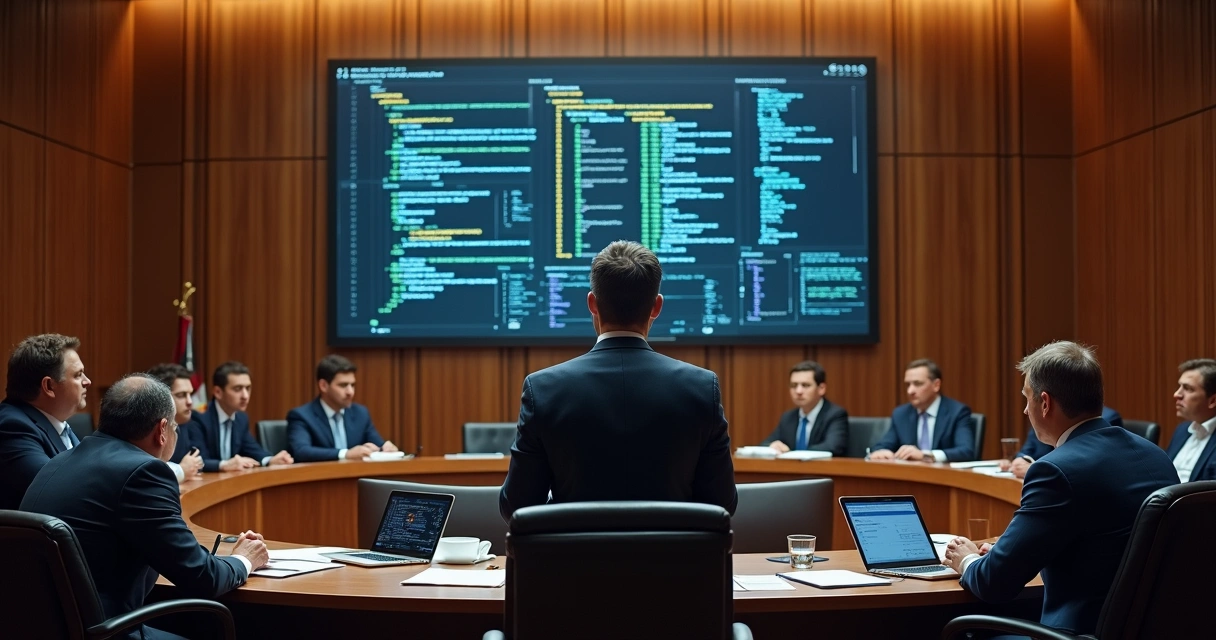
The intersection of software and law brings risks both obvious and subtle. I often see organizations surprised by how much exposure lurks in their codebase, not just for direct copying, but for license, patent and privacy reasons. Here are some common dangers:
Patent and copyright infringement
The code in question may copy algorithms, routines, or even the structure of another’s protected software. Under law, even partial overlap can be grounds for damages, as shown by thousands of software patent cases tracked in the Stanford Non-Practicing Entity Litigation Database.
Trade secret misappropriation
If a developer uses confidential algorithms or design patterns from a previous employer, both that person and their new company may be at legal risk—even if the code “feels” new. Proving this often relies on side-by-side comparison and timeline evidence.
Open source compliance failures
Many businesses incorporate open source for speed, but neglect the terms. License violations—such as combining GPL-licensed code with proprietary code, or missing attributions—can invalidate legal protections and trigger costly litigation.
Data privacy and breach consequences
Code holding sensitive data without safeguards, or inadvertently leaking keys, can trigger not just civil lawsuits but also regulatory fines under rules like the GDPR. Code analysis helps uncover hidden data flows and reveal where policies were breached—not just by accident, but sometimes by design.
Legal risks often hide in the details of ordinary-looking code, which is why routine examination is the best answer to both prevention and defense.
Forensic code analysis techniques in detail
When I consult, I build my approach using a blend of automated tools and human judgment. Here are some practices and why they matter:
Static code analysis
Looking at the code as text gives early clues about:
- Structure and organization (Are there similarities to another system?)
- Code comments and author attributions
- Presence of obfuscated, minified, or hard-to-read sections
- Hidden keys, hardcoded credentials, or suspicious constructs
- Non-obvious markers such as copy-pasted typos or variable names
Manual review also helps spot attempts to disguise copied code with superficial changes.
Dynamic program tracing
Running code in testbeds reveals:
- How inputs map to outputs
- Behavior under attack scenarios (does it “phone home,” create backdoors, behave differently when probed?)
- Interaction with libraries and external APIs
- Timing, performance, or error patterns that match disputed or maligned software
This is often how malicious software or disguised code theft is uncovered. The Center for Statistics and Applications in Forensic Evidence (CSAFE) emphasizes creating statistically sound methods and repeatable results to support findings in court, highlighting the importance of defensible methodologies.
Automated similarity and plagiarism checks
Powerful tools compare codebases, even after modification or obfuscation, to flag:
- Literal matches (“clone detection”)
- Structure and token similarities (patterns in function or class names)
- Algorithmic overlap (logic, sequence, and structure, even if rewritten)
- Use of common open source patterns that could present license risk
Still, I never trust a tool blindly. Context, project history, and intent must all play a role in drawing legal conclusions.
License and compliance scanning
Scanning for embedded license notices, included documentation, referenced libraries, and version tags reveals risks most engineers overlook day-to-day. Automated tools help, but compliance interpretations often require human legal input as well.
The unique role of expert witnesses
When findings go to trial or mediation, code analysts are often called as expert witnesses. It is not just about being technical; it’s about building trust and clarity with people who may not understand a line of code. In my time on the witness stand or in depositions, I follow these principles:
- Explain technical findings in plain language. Cut through jargon to answer questions like, “Is this code original, or not?”
- Demonstrate methods in a repeatable, transparent way
- Prepare clear exhibits: annotated printouts, charts, timelines, and summaries for courts
- Anticipate and answer cross-examination on methodology and possible alternatives
Digital truth is only as convincing as the story and evidence that support it.
As an advocate for bridging IT and law, I often remind both sides: you need not just the right answer, but the right explanation for the audience who must decide.

Common challenges: code obfuscation, compliance, and more
Even with clear steps, obstacles often emerge in digital investigations. The most persistent in my experience include:
Code obfuscation and anti-forensics
Some parties deliberately hide code’s real origin or purpose—for example, by “minifying” JavaScript, using automated renaming, or mixing in decoy code. These methods try to confuse tools and human reviewers alike. Advanced forensics techniques, such as code normalization or “un-minification,” sometimes restore enough clarity, but it always takes more time and effort.
Partial or incomplete source access
Legal disputes may only allow access to parts of the code, or heavily restrict who can see what, due to trade secrets or privacy rules. That’s when clear protocols and trusted intermediaries (such as expert panels) come into play.
Maintaining evidence integrity and admissibility
If evidence handling breaks chain-of-custody rules, or if analysts fail to document their work, findings can be thrown out during legal action. I insist on cryptographic hashes, timestamped logs, and detailed process notes for every step—tedious, but necessary.
Managing open source dependency risks
Modern apps may quietly pull in thousands of external packages, each with its own license. Open source review is now as legal as it is technical—and mistakes can lead to accidental disclosure or litigation, which was a theme at one of my recent corporate cybersecurity talks.
Real-world examples and lessons learned
Let me share some instructive stories (with identifying details changed):
The internal whistleblower
A technology company suspected one of its engineers had copied proprietary algorithms to a competitor. Forensic code review revealed that, while some comments and variable names had changed, the core logic and error-handling routines were identical. Hashes from archived build servers conclusively matched. The evidence held, and the two firms ultimately reached a settlement.
The compliance audit surprise
An international business facing acquisition requested a code audit. As part of forensic review, we found multiple libraries under “copyleft” licenses buried deep in their stack—none appropriately disclosed. Failing to resolve would have threatened the entire deal. After presenting findings in a clear report and collaborating with legal teams, the organization rewrote parts of the stack to remove compliance risk.
Malware attribution after a cyberattack
In a government breach, digital evidence pointed to a specific APT group. By reverse engineering the malware’s source, then matching function “signatures” with previous samples documented by incident response teams, the analysts provided law enforcement with proof of digital “fingerprints” matching the suspected perpetrators. These findings guided the next stage of the legal and diplomatic response.
The accidental infringer
A small software shop copied sample code from an online forum to save time, not realizing it was under a restrictive license. When the patent holder sued, digital forensics traced the code snippets and showed a pattern stretching across multiple apps. The business settled, but at a cost far higher than a proper code hygiene program would have required.
Stories like these were part of what inspired my career as a speaker—outcomes always hinge on diligent process, thorough documentation, and a readiness to explain the “how” and “why” behind every finding.
Best practices for legal and technical collaborations
Cases don’t turn on technology or law alone, but on how the two are combined. Here are pointers from my experience working side-by-side with lawyers and engineers:
- Start early: If you suspect a dispute, begin code preservation and documentation before word spreads or evidence can be changed.
- Make scope and objectives clear. Both sides should agree on “what and why” before technical review begins.
- Establish tight chain-of-custody processes. Use hashes and timestamped logs, and document every step.
- Encourage two-way education. Legal teams learn about source code basics, and developers understand implications of licenses and court standards.
- Invest in professional communication. Reports, testimonies, and presentations should be understandable without sacrificing depth—much like the practical focus of my digital security talks.
- Keep an audit trail. Retain independent experts’ notes, raw findings, and all communications securely.
- Rely on up-to-date technical and legal references, like the resources made available by the CSAFE program.
Collaboration, not confrontation, usually leads to faster discovery and fewer mistakes. In my opinion, this is the mindset that makes investigations constructive, not just confrontational.
How to prepare your organization for forensic code analysis
Based on patterns I’ve seen, the companies best able to handle code audits or disputes are those who practice proactive diligence. Some habits worth building include:
- Source code hygiene: Regular internal reviews, automated license and dependency scans, robust commit attribution
- Incident preparedness: Document and regularly rehearse procedures for preserving digital evidence in a breach or dispute
- Clear policies on use of external code, copy-pasting, and handling of previous employers’ materials
- Training developers and product managers on basics of IP law, privacy compliance, and what to do if code is questioned
- Retain relationships with digital forensics and legal experts, so that if a crisis hits, you are not starting from scratch.
In my international talks, I always stress that preparation is cheaper, easier, and less traumatic than emergency response in the midst of a lawsuit or breach.
Conclusion: Digital truth demands diligence
Forensic source code investigations are not just about picking apart programs—they are about resolving high-stakes legal, financial, and personal disputes in the digital age. The steps I’ve discussed—planning, collection, technical review, and careful reporting—all matter because small mistakes or omissions can shift outcomes quickly.
The real value of forensic code analysis is not just solving crimes or closing lawsuits, but building trust, resilience, and safer systems for both people and businesses.
If you or your organization are facing questions of software ownership, copyright, or digital incident response, I encourage you to start building forensic awareness now. Connect with experts, learn the basics of proper evidence handling, or see what I can offer through my other resources. Your digital readiness today helps ensure smoother outcomes tomorrow.
Frequently asked questions
What is forensic source code analysis?
Forensic source code analysis is the systematic review and comparison of software code to answer investigative, legal, or technical questions in disputes, intellectual property cases, or cybercrime incidents. This process covers everything from collection and preservation to reporting findings in ways non-technical stakeholders and courts can understand.
How does code analysis help legal cases?
By providing objective evidence about what software does, how it was created, or whether it infringes on legal rights, code analysis transforms technical details into legal arguments. This helps judges and lawyers understand facts, prove or refute claims, and ensure fair decisions in software-related lawsuits.
What are common legal risks in code audits?
Usual legal threats uncovered during forensic code review include patent or copyright infringement, accidental or deliberate license violations, trade secret theft, and potential privacy breaches caused by improper handling of sensitive data in the codebase. Each risk can carry legal, financial, and reputational impacts.
How to start a forensic code investigation?
Begin with a clear definition of the scope and objectives, secure the relevant code and related artifacts using tamper-proof methods, and document all actions. Assemble a team with both technical and legal credentials, ensure chain-of-custody, and proceed with thorough technical analysis before drafting reports or offering findings. Early legal consultation is key to preserving evidence and legal rights.
Is hiring a source code analyst worth it?
If you face a possible code-related dispute, misunderstood license, or suspect breach, involving a source code forensic expert can save substantial time, cost, and risk. Trained analysts offer both deep technical review and clear communication, helping bridge the gap between technical truth and practical, legal solutions.