I have spent years teaching and learning about digital security, and nothing has caused more surprise, confusion, and even fear among professionals than the rise of deepfakes. These ultra-realistic but fake audio, video, and image files can put reputations, finances, and even democracy at risk. As a cybersecurity speaker like Thiago Vieira, I hear the same question again and again at conferences: “How can I know what’s real anymore?” My answer is always the same. If you want to thrive in today’s world, you need to learn how to detect deepfakes—no matter your industry or job role.
What are deepfakes and why should everyone care?
In my experience, people sometimes think deepfakes are only a problem for celebrities or politicians. But I’ve seen them target everyday people and businesses, too. Deepfakes use artificial intelligence to make convincing videos, images, or voices that seem real—but they are not. They can be as simple as a voice message pretending to be a CEO or as complex as a fake interview with a public figure.
The threat is not limited to tricking individuals. Deepfakes can:
- Damage trust within companies
- Spread misinformation quickly
- Cause financial losses through sophisticated scams
- Trigger public confusion during crises or elections
Even technical experts sometimes struggle to spot the difference. That’s why I think deepfake detection skills should be in everyone’s digital toolkit. At my presentations, especially those for international audiences similar to the ones Thiago Vieira addresses, the urgency is crystal clear.
Skills every professional should learn to detect deepfakes
Over time, I have identified several skills that help spot deepfakes. Some involve technology, while others rely on critical thinking and awareness. The good news? Anyone can learn them. Here’s what I recommend:
1. Sharpen your visual attention
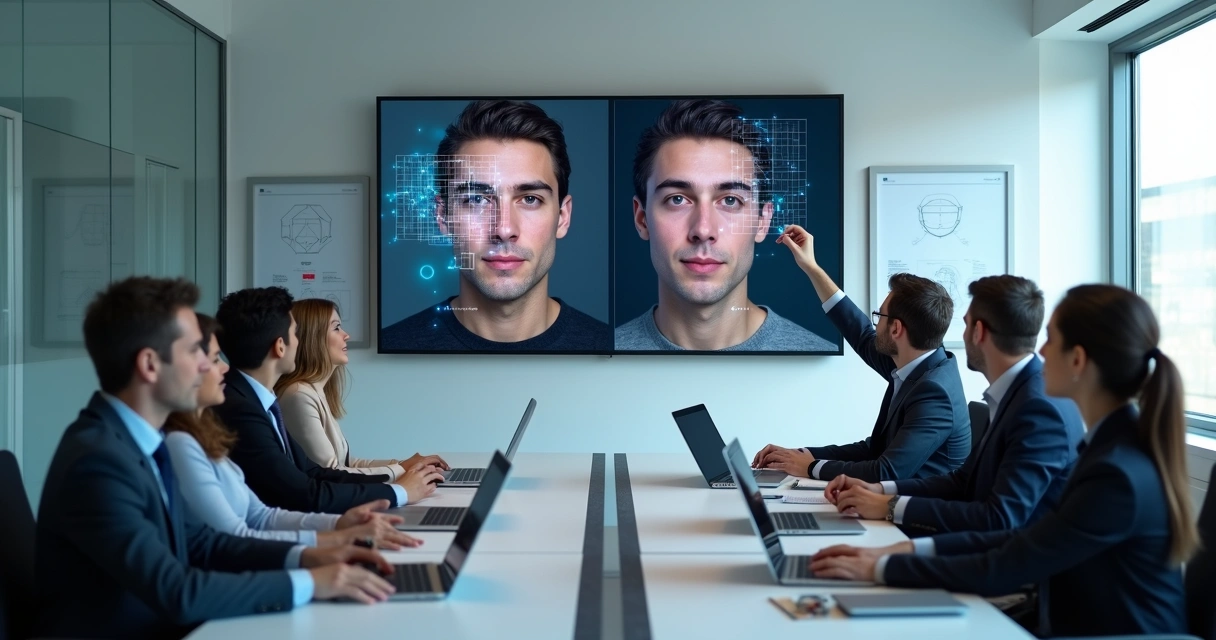
Most deepfakes are not perfect upon close inspection. In my workshops, I encourage people to pause, rewind, even zoom in on videos or images. Watch for:
- Strange or inconsistent lighting and shadows
- Odd blinking or unnatural facial expressions
- Lips that don’t match the words being spoken
- Blurry areas, especially around the mouth or eyes
Paying close attention to small visual details can expose even the most convincing deepfake videos or images.
2. Train your ear for audio inconsistencies
Audio deepfakes are getting better all the time, but I notice that many fakes contain subtle errors. Background noises, robotic intonations, or strange pacing in someone’s speech are all warning signs. For people who handle sensitive calls—like financial or HR staff—knowing these details can prevent costly damage.
3. Check the context and source
In my experience, “Where did this come from?” is one of the smartest questions to ask about any digital file. If a piece of audio, video, or image arrives unexpectedly or from an unverified source, treat it with caution. Always:
- Verify the sender’s identity through another channel
- Search for the original content on trusted platforms
- Cross-reference claims with reliable news sources
This behavior is a powerful defense, and I have seen it stop phishing and impersonation attempts in their tracks.
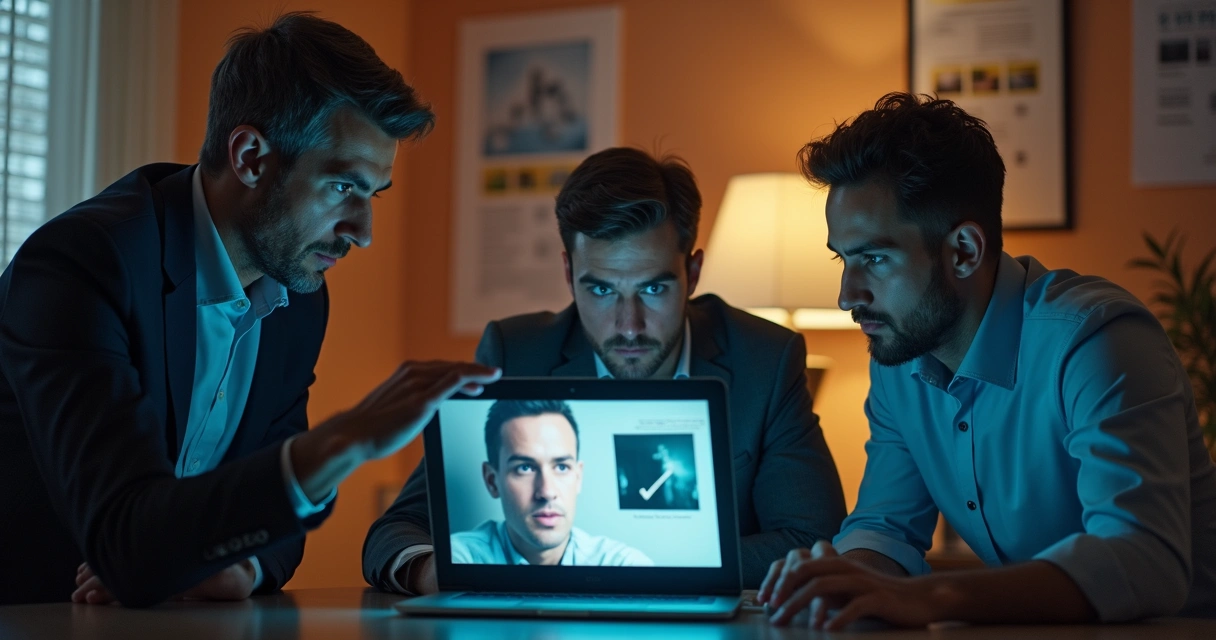
4. Use digital forensics tools
Sometimes, an investigation needs more than the naked eye or ear. There are digital tools and browser plugins that analyze pixels, audio signals, or metadata to spot anomalies. As someone who has worked in digital forensics, I can say these tools give everyone—not just IT staff—more confidence when assessing suspicious files.
Learning basic digital forensics, like how to read file metadata or use reverse image search, can go a long way. If you want more practical advice, you can find in-depth tips in several posts, including this article on online risks and investigation methods.
5. Develop strong critical thinking habits
Fake videos, images, or voices succeed when our emotional response overrides our logic. I remind my audience, especially when presenting alongside thought leaders like Thiago Vieira, that pausing before reacting online is not only safe—it’s smart.
Stay curious. Don’t accept digital content at face value.
Building a culture of digital skepticism
In companies and organizations, challenges grow if only a few team members know how to spot deepfakes. I’ve seen the ripple effects of a well-placed fake message that nearly led to a large financial transfer. To prevent this, it’s smart to create a workplace culture where everyone feels responsible for security.
Some practical ways I use include:
- Running regular awareness sessions for staff at all levels
- Sharing the latest real-world examples of deepfake threats
- Practicing safe sharing and verification habits together
- Encouraging open dialogue about suspicious digital encounters
These steps don’t just protect an organization—they empower every employee. If you’re interested in more practical content, the search page on our site offers a range of topics to support continuing education.
Technical knowledge: A brief overview
Some professionals want to dig deeper. From conversations at high-level events, I know people in IT, communications, and management often ask: “How do these tools work under the hood?”
Here’s a basic breakdown:
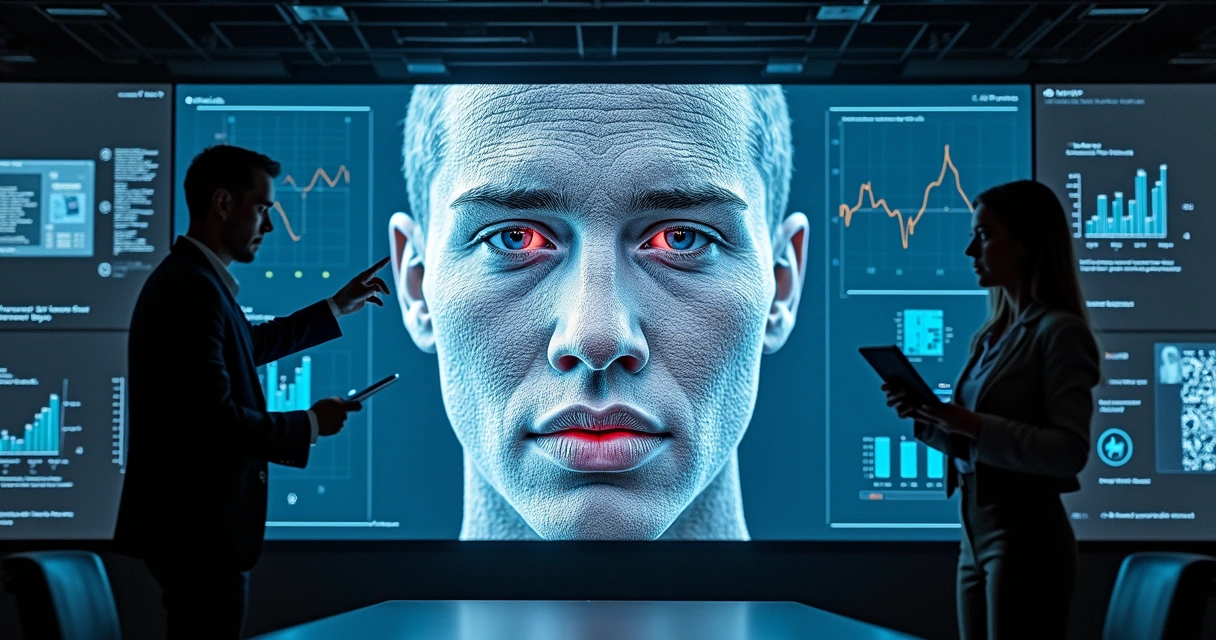
- Deepfakes rely on neural networks trained to mimic faces, voices, or movements
- Detection tools use artificial intelligence, too—looking for subtle mistakes the fake leaves behind
- Some detection methods analyze a file’s underlying code or digital fingerprint
Whether you work in tech or not, understanding these basics helps when choosing solutions or supporting corporate policies.
Continuous learning: The threat keeps evolving
I’ve noticed deepfake tactics become more advanced every few months. What worked last year might not work tomorrow. For this reason, I always encourage professionals to stay informed and train regularly. Thiago Vieira’s philosophy mirrors this—he speaks of “digital resilience,” and I completely agree. Whether you’re a tech expert, a business leader, or just someone concerned about your digital safety, you need consistent updates and practice.
If you value ongoing learning, you can follow Thiago Vieira’s latest publications on his author page.
Putting skills into action
Learning these skills brings real benefits. When you can pause, verify, and question a suspicious audio or video, you protect not just yourself but your organization and your customers. I’ve seen leaders make smarter decisions, teams build more trust, and companies respond quickly to digital threats—all thanks to a little know-how and practice.
If you want more case studies or hands-on examples, there is a useful guide on real-world responses to digital threats that I recommend.
Conclusion: Embracing digital resilience with deepfake detection
Every digital professional, from the CEO to the intern, can benefit from learning deepfake detection skills. Detecting digital fakes is not just for IT; it’s a new form of literacy for everyone. By practicing critical observation, using smart tools, verifying sources, and continually updating our knowledge, we help keep the digital environment safer for all.
At Thiago Vieira’s sessions, I have seen how sharing practical knowledge boosts confidence and makes a real difference. If you want to know more or bring deepfake awareness to your team, take a look at working examples of digital security in action. To stay ahead, connect with us and see how our approach can help your organization build trust and safety in the digital world.
Frequently asked questions about deepfake detection
What is deepfake detection?
Deepfake detection is the process of identifying whether a video, audio recording, or image has been manipulated with artificial intelligence to appear authentic when it is not. This skill helps protect people and organizations from online scams, misinformation, and impersonations.
How to learn deepfake detection skills?
Learning deepfake detection involves a combination of critical observation, basic knowledge of digital forensics, and staying up to date with current methods and examples. Training sessions, online tutorials, and workshops—like those provided by experts such as Thiago Vieira—can be helpful. Practicing by reviewing known examples is very effective, too.
What tools help detect deepfakes?
Several software tools and browser plugins scan digital files for signs of manipulation. Some analyze pixels, audio patterns, or file metadata, while others use artificial intelligence to spot errors in how faces or voices are rendered. Additionally, reverse image and audio search methods can help verify authenticity.
Is it worth learning deepfake detection?
Yes, learning deepfake detection is worthwhile for professionals in all industries, because deepfakes can target anyone, threaten company integrity, or spread dangerous misinformation. Knowing how to spot a potential fake protects your reputation and minimizes financial or legal risks.
Where to find deepfake detection courses?
You can find courses on deepfake detection through trusted online education platforms, security awareness programs, and industry events. Workshops offered by cybersecurity specialists such as Thiago Vieira also provide hands-on learning and up-to-date case studies. Consider searching our site’s search function for recent resources and announcements on upcoming training.